

Technical Support:
158-7527-1139

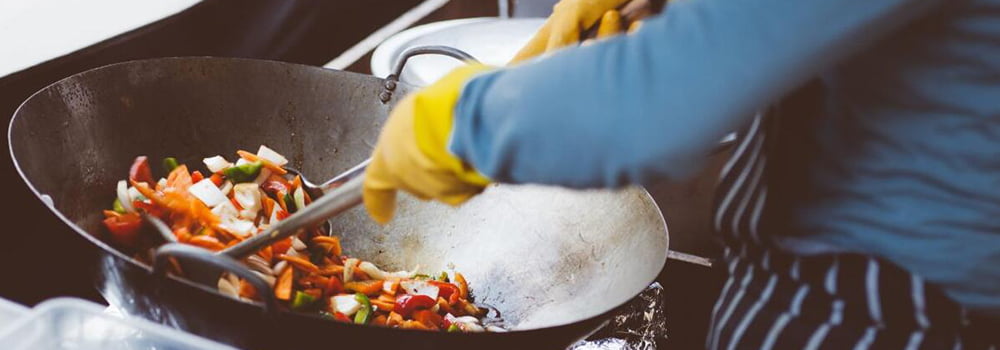
As living standards improve, the kitchen has become a vital part of family life. However, many overlook the health hazards of kitchen oil fumes. Recently, with the popularity of PM2.5 sensors, more people have found that PM2.5 concentrations during cooking can soar to hundreds or even thousands of μg/m³, far exceeding national standards. This is equivalent to smoking continuously for hours in heavy smog, posing a serious threat to health.
Why do kitchen oil fumes produce large amounts of PM2.5?
● The main components of oil fumes are fats, proteins, and carbohydrates, which undergo thermal decomposition at high temperatures to generate large amounts of fine particulate matter, including PM2.5.
● Cooking methods like stir-frying, deep-frying, and pan-frying produce more fumes, especially when the oil temperature is too high.
● Traditional range hoods may have low smoke-exhaust efficiency or leaks, failing to discharge fumes effectively.
To address this, we can take the following measures to reduce PM2.5 levels during cooking:
1. Install a Range Hood or Exhaust Fan: These can effectively discharge oil fumes and smoke outdoors. Remember to clean and replace the oil filters regularly to maintain good exhaust performance.
2. Maintain Good Ventilation: Keep the kitchen well-ventilated while cooking. Cooking with a window open allows fresh air to flow in and helps exhaust pollutants.
3. Use an Air Purifier: Placing an air purifier suitable for removing particulates near the kitchen is also an effective method to improve indoor air quality.
4. Change Cooking Methods: Choose low-temperature methods like steaming, boiling, or baking. Using pot lids can also reduce the release of particulates.
5. Regularly Clean the Kitchen: Clean walls, floors, and surfaces to prevent grease accumulation and reduce the spread of particulates.
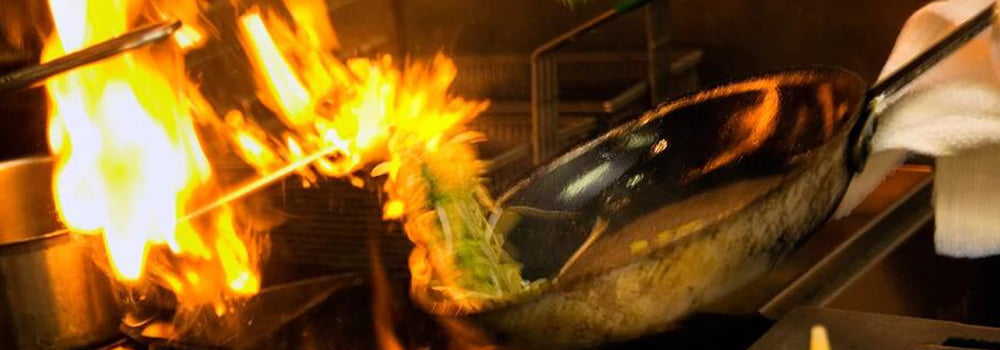
Additionally, note: control oil temperature around 180°C, avoid staying in fuming environments for long, and clean up promptly after cooking.
