Technical Support:
158-7527-1139

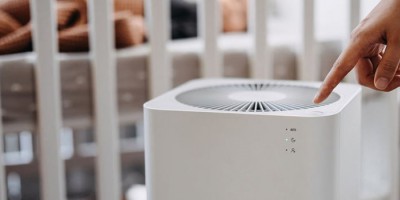
When dust sensors in our home or office alarm due to high dust levels, we naturally seek appropriate solutions. In such cases, air purifiers are often recommended. However, people often ask: can they really remove indoor dust effectively? To answer this, we need to understand the working principle of air purifiers and their impact on indoor dust.

As the Spring Festival approaches, general house cleaning becomes an important activity for many to welcome the New Year. We usually expect to reduce indoor dust through thorough cleaning to create a more comfortable and healthy living environment. However, even if the room appears spotless, the dust content in the indoor air may still be high. This is because dust particles are microscopic and easily suspended in the air without being noticed.

In today’s household environments, air quality issues are receiving more attention, especially the effects of PM2.5 and smoking. PM2.5 refers to particulate matter with a diameter of 2.5 microns or less, while smoking releases a series of chemicals during tobacco combustion. Both are considered major sources of indoor air pollution, but are there differences in the harm they cause? Why is that?

In modern life, the impact of indoor air quality on people’s health is increasingly significant. Since we spend most of our time in indoor environments, ensuring indoor air quality is crucial for maintaining the health of family members. Understanding and testing indoor air quality not only helps us identify potential health risks but also allows us to take timely improvement measures.

In our homes, the air may seem fresh, but hidden threats—tiny but dangerous PM2.5 particles—may be lurking. These fine particulate matters, though invisible to the naked eye, can penetrate deep into our lungs and affect our health. When the PM2.5 sensor in the home sounds an alarm, telling us that the indoor PM2.5 level has risen, how should we deal with this invisible enemy?

As we spend most of our time indoors, concern for indoor air quality is growing. People usually notice external pollution sources, such as car exhaust or industrial emissions, but indoor air pollution is equally important, especially pollutants originating from our daily furniture. These pollutants in furniture may be potential threats to indoor air quality that we have not yet realized.

With increasing attention to indoor air quality, more and more families are installing various sensors indoors to monitor air quality in real-time. However, many families are surprised to find that after a renovation is completed, the formaldehyde sensor continues to indicate high levels for a long time. Why is this? Why does a high concentration of formaldehyde odor persist indoors after renovation?
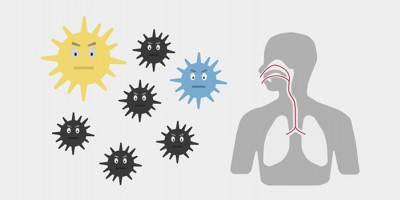
In our daily life and working environment, dust is a common air pollutant. It may come from various channels such as road dust, industrial operations, and household dust. Although dust seems harmless, inhaling excessive amounts of it can have serious impacts on human health. So, do you know what hazards inhaling too much dust can cause?
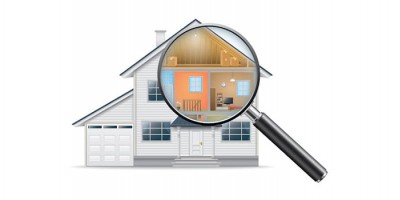
In modern life, we spend most of our time in indoor environments; therefore, indoor air quality is vital to our health. Indoor air can be polluted for many reasons, such as smoke, chemical evaporation, mold growth, etc. But the problem is that indoor air pollution is not always visible to the naked eye or easy to detect.
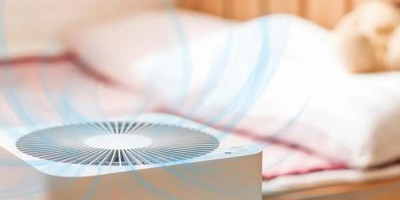
In modern society, as people pay more attention to healthy living quality, air purifiers have become an indispensable part of home and office environments. Air purifiers are mainly used to filter and clean pollutants in the air to improve indoor air quality. However, many consumers often ask a key question when purchasing an air purifier: Can the air purifier detect and effectively remove VOCs (volatile organic compounds)?

In modern living environments, to maintain indoor air quality, we usually use various tools such as sensors, air quality detectors, and air purifiers to monitor indoor air. These devices display various air values, providing a basis for us to judge air quality. However, many users remain confused: Is the value seen on the VOC sensor safe or dangerous?
With increasing concern for health and quality of life, more and more homes and workplaces are using products like air purifiers and fresh air systems. These products not only help improve indoor air quality but also provide key air quality data. However, many people only have a superficial understanding of this data. Thus, when indoor air quality issues arise, they don't know where to start.