

Technical Support:
158-7527-1139

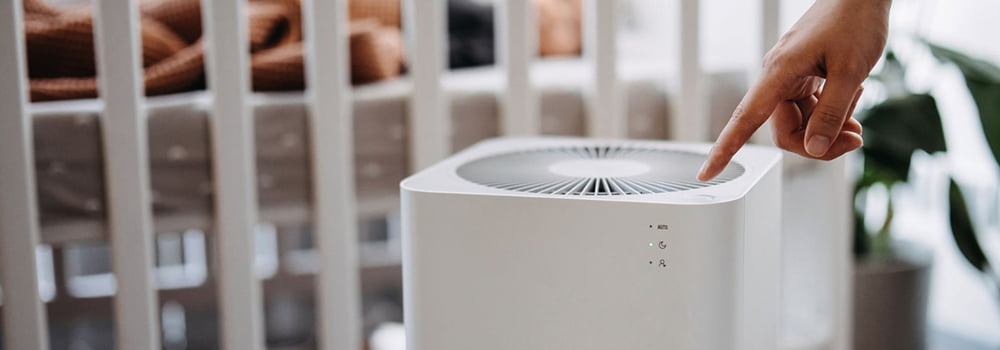
When the dust sensor in our home or office environment triggers an alarm for excessive dust levels, we naturally seek effective solutions. In such cases, an air purifier is often recommended as an effective method to reduce indoor dust. However, people frequently ask: can an air purifier truly remove indoor dust effectively? To answer this, we need to understand how an air purifier works and its impact on indoor dust.
First, let's explore the sources of dust in indoor environments. Indoor dust primarily consists of dead skin cells, hair, pet dander, fabric fibers, dust mites, pollen, mold spores, and soil or particles brought in from outdoors. These particles float in the air and enter our respiratory system through breathing, which can lead to allergic reactions, asthma attacks, and other respiratory issues.
This is where an air purifier plays a critical role. An air purifier reduces indoor dust and other pollutants through its built-in filtration systems, such as High-Efficiency Particulate Air (HEPA) filters and activated carbon filters. HEPA filters are particularly effective as they can capture at least 99.97% of tiny particles with a diameter of 0.3 microns. This means an air purifier can capture most dust particles floating in the air, thereby reducing overall indoor dust content.
However, the effectiveness of an air purifier is not limited to capturing dust. They also reduce other indoor air pollutants such as smoke, pet dander, pollen, and mold spores. This is especially important for allergy and asthma sufferers, as these pollutants are common triggers.
Nevertheless, an air purifier is not a cure-all. To maximize its effect, proper use and maintenance are required. For example, it is crucial to choose an air purifier of the appropriate size to cover the required area. Additionally, regular filter replacement or cleaning is vital to maintain the efficient operation of the air purifier.
Besides using an air purifier, there are other ways to help reduce indoor dust. These include regular cleaning of furniture and floors, using high-efficiency vacuum cleaners, and maintaining indoor humidity at an appropriate level to reduce the growth of dust mites.
In conclusion, when faced with an alert from a dust sensor regarding high dust levels, an air purifier is indeed an effective solution. By capturing tiny particulate matter in the air, they help reduce indoor dust levels and improve air quality. However, for optimal air purification, correct use and maintenance are essential, and combining this with other dust-reduction methods can further enhance indoor air quality.
