

Technical Support:
158-7527-1139

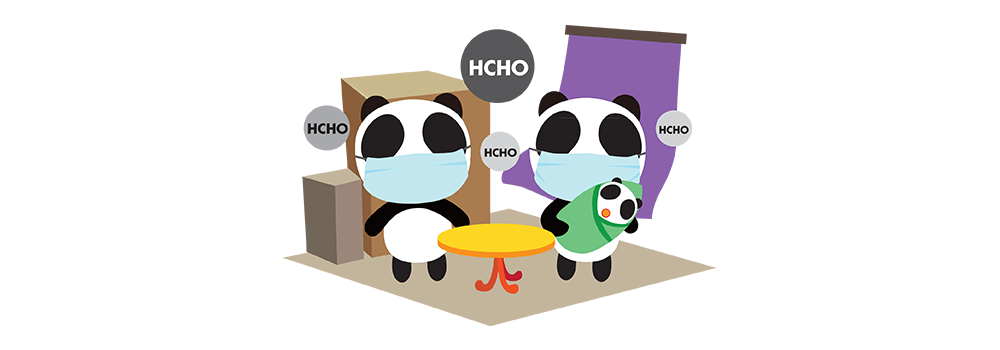
With increasing attention to indoor air quality, more and more families are beginning to install various sensors indoors to monitor air quality in real-time. However, many families are surprised to find that after each renovation is completed, the formaldehyde sensor will indicate high indoor formaldehyde content for a long time. Why is this? Why does the indoor environment consistently have a high concentration of formaldehyde odor after renovation?
In fact, formaldehyde mainly originates from adhesives and coatings in renovation materials such as furniture, wood flooring, and paint. At room temperature, these materials continuously release formaldehyde, especially in the months or even years following a new renovation, where the release volume is particularly significant. Due to its potential harm to human health, persistent formaldehyde pollution has become a common problem in newly renovated houses.
After understanding why renovation brings such persistent formaldehyde odors, the next step is to solve the indoor formaldehyde problem. Effective methods generally include the following:
● Choose low-formaldehyde or formaldehyde-free renovation materials: During renovation, prioritize materials labeled with low formaldehyde release or no formaldehyde, such as E0-grade wood products and water-based coatings.
● Maintain good ventilation: After renovation is completed, ensure the room maintains good long-term ventilation, especially in the initial months, to accelerate the volatilization of formaldehyde.
● Use air purifiers: Install air purifiers with activated carbon filters and replace the filter elements regularly to effectively adsorb indoor formaldehyde and other harmful gases.
● Apply natural formaldehyde removal methods: Place plants with formaldehyde-absorbing capabilities in the home, such as spider plants and pothos, and use natural adsorbents like bamboo charcoal and activated carbon bags.
● Consider professional formaldehyde removal services: If formaldehyde concentrations remain high, consider hiring professional formaldehyde removal services for treatment.
● Regularly detect formaldehyde content: Even if the above measures are taken, the formaldehyde content in indoor air should be detected regularly using a formaldehyde sensor.
In summary, the increase in indoor formaldehyde content after renovation is due to the slow release of formaldehyde from renovation materials. By adopting the measures mentioned above, indoor formaldehyde content can be effectively reduced, thereby enhancing the safety and comfort of the living environment. The formaldehyde sensor, as a monitoring tool, plays an important role in this process, helping us better understand and control the air quality in our homes. Through these comprehensive measures, we can enjoy the joy of a new home while ensuring a safe and healthy living environment.
