Technical Support:
158-7527-1139


The LD16 is a high-precision sensor based on Mie Scattering Theory. It calculates concentration distributions and converts them into mass concentrations with digital output.
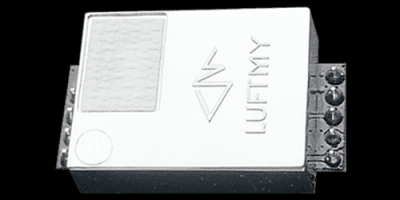
Gas sensors convert gas concentrations into electrical signals. They are widely used in PM2.5, carbon monoxide, oxygen, and combustible gas detection.
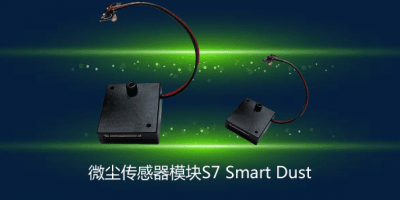
The S7 uses optical beam principles to show cleanliness data for floors, carpets, and sofas in real-time. It measures the quantity of mites, dust, and hair fibers in vacuum cleaner ducts.
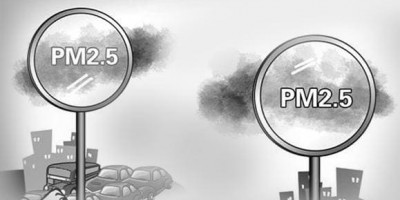
As living standards rise, the harm of PM2.5 is being taken seriously. Particles can enter the lungs and even the blood. Humans breathe 10,000 liters of air daily; pollutants inevitably harm health.
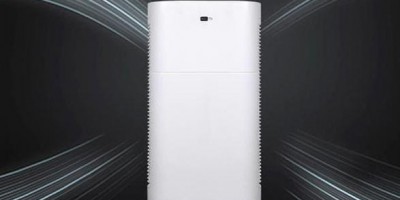
Studies show natural sounds like rain improve sleep. Air purifiers not only remove PM2.5 and formaldehyde but also release negative ions, simulating a natural environment for better sleep coordination.

In haze season, PM2.5 is an invisible killer. While many use purifiers at home, cars also become pollution zones with formaldehyde, smoke, and PM2.5. Purifiers with PM2.5 sensors address this respiratory health issue during travel.
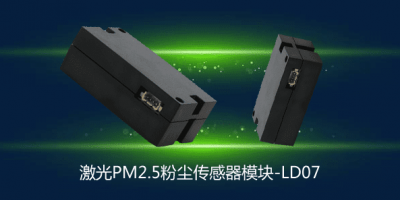
The LD07 is a high-precision sensor based on Mie Scattering Theory. It provides accurate concentration data for smoke alarms, air purifiers, and air conditioners.
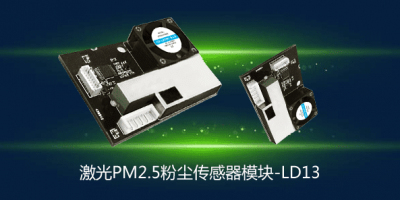
The LD13 is a high-precision laser sensor based on Mie Scattering Theory. It can be embedded in smoke alarms, air purifiers, and air conditioners to provide real-time particle concentration and distribution data.
Indoor air quality is gaining attention. PM2.5 particles are small enough to enter the lungs, carrying toxic substances and staying in the air for long periods, significantly affecting health.
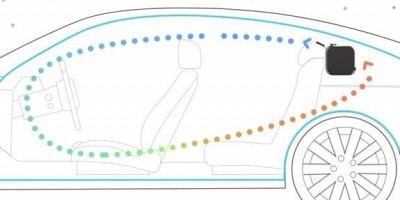
Experts analyze pollution from haze to PM2.5, PM10, and indoor formaldehyde. Gas sensor manufacturers are seizing opportunities to create protective tools like masks and car purifiers.
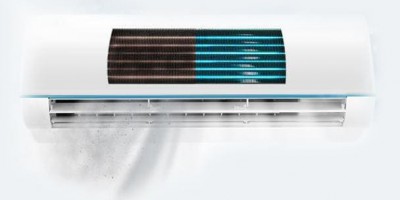
PM2.5 pollution has become an unavoidable issue. To improve indoor air, air conditioners with purification functions and air purifiers are the top choices. Adding PM2.5 dust sensors to air conditioners has become a new trend to meet consumer demands for better air quality.

Every family needs a kitchen, but the cooking process creates massive pollution. The steam and oil smoke you see consist of fine particles that are major components of indoor pollution. Chinese cooking styles like frying and deep-frying significantly increase particulate matter levels.