

Technical Support:
158-7527-1139

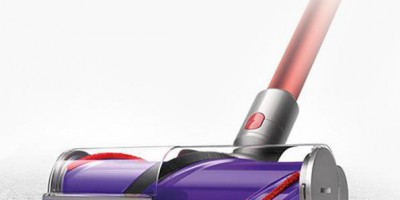
Vacuum cleaners have become an essential cleaning tool for more and more families. How can we distinguish their performance and functions? What is the effect of the S7 dust identification sensor on improving detection capabilities? Today, the Luftmy editor analyzes the key points of choosing a vacuum cleaner.
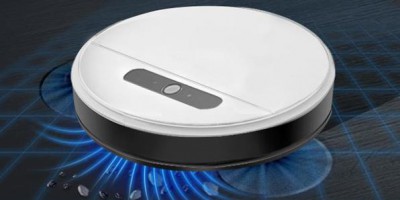
Smart devices are being applied and developed in many fields. Repetitive and mechanical work will inevitably be affected or even replaced by AI. Can the tedious tasks of daily cleaning be handled by AI? The answer is yes. With technological advances, high-tech smart home products are mushrooming. Smart robot vacuums with dust identification sensors have high penetration and market potential. So how do we choose the right one? Today, the Luftmy editor brings you several purchasing tips.
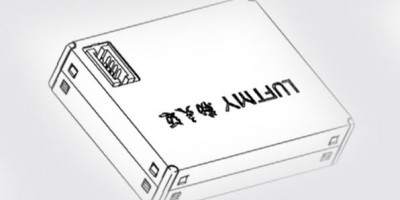
Laser sensors are used in industrial quality control, medical tech, and automated distance measurement.
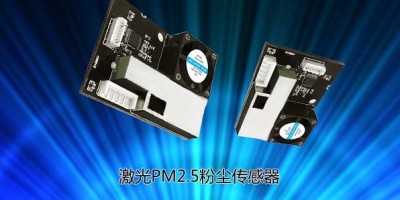
Guangzhou Luftmy offers high accuracy and stability. With over 50 researchers, our laser sensors lead the industry in quality.
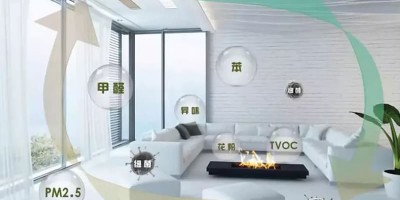
Fresh air systems with dust sensors are popular for their cost-effective filtration in homes, schools, and hospitals.
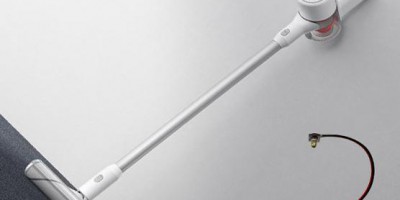
Smart appliances use microprocessors and sensors to perceive home status and receive remote commands as part of an integrated system.
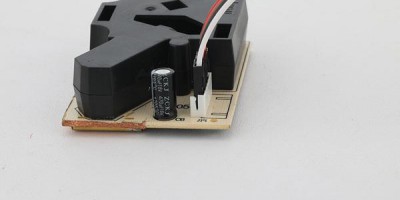
This PM2.5 sensor reflects years of R&D in indoor air monitoring. It measures CO2, particles, and VOCs for a comprehensive quality assessment.
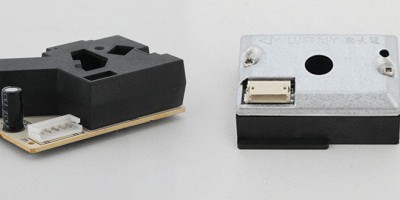
Sensors detect concentration via light scattering or laser principles. They are used in research, meteorology, and public health.

From the 1958 London smog to the 2017 environmental policies, measures like masks and fresh air systems have emerged. This article explores the evolution and differences between purifiers and fresh air systems.
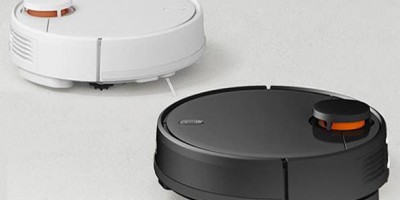
Sweeping robots reduce housework and improve efficiency. Dust sensors (micro-dust sensors) allow them to output cleanliness data and use LED colors to show status to users.
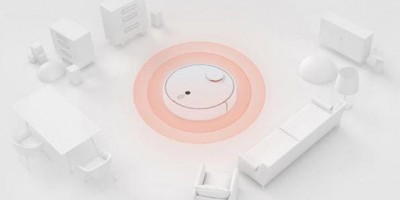
Sweeping robots are common in the smart era. Luftmy explores if the latest models are smarter due to built-in dust recognition sensors.
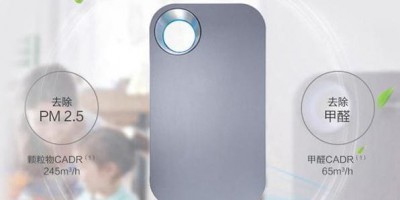
PM2.5 particles are small, stay suspended, and carry toxins. When levels exceed limits, emergency rates for cardiovascular issues rise. As traffic increases, pollution deepens, making sensors vital for health.
