

Technical Support:
158-7527-1139

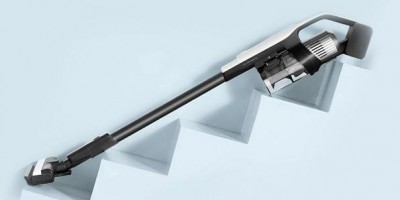
Some believe traditional vacuums will be fully replaced by robot vacuums as smart technology evolves. Is this true? Before choosing, it is essential to understand their distinct functions and the importance of the dust sensors that drive their intelligence.
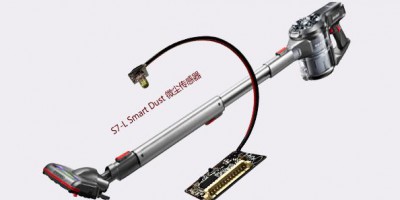
Excessive indoor dust affects air quality and health. As people pursue quality of life, handheld vacuums are replacing brooms. With so many brands on the market, Luftmy explores which are best and how micro-dust sensors provide intuitive feedback on cleaning effectiveness.
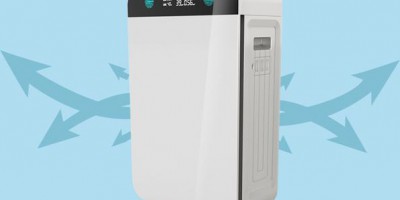
During high-smog winters, PM2.5 can easily penetrate closed doors and windows. Along with formaldehyde and bacteria, these pollutants threaten children and the elderly. While purifiers are effective, many users make common mistakes. Luftmy lists the top seven errors to avoid.

What is the difference between PM2.5 sensors and traditional smoke alarms? Do they both monitor particles? Luftmy discusses these questions, clarifying that while both deal with particulates, they serve very different purposes and operate on different principles.
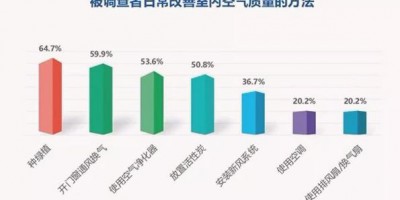
In recent years, with China increasing environmental protection efforts, outdoor air has improved, leading people to focus more on indoor air quality. Many families now use air purifiers, which operate in three steps: detection, purification, and release. Air quality sensors have become standard in these devices, monitoring PM2.5 concentrations to ensure maximum efficiency.
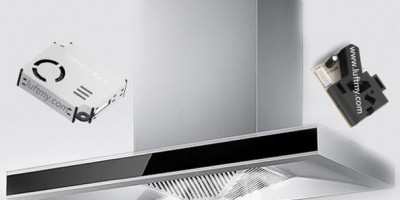
The range hood market is highly competitive. With limited growth in new markets, seizing the replacement market via technical upgrades is key. PM2.5 sensors represent a major leap in hood technology, allowing these appliances to detect and clear kitchen pollution more effectively than ever before.
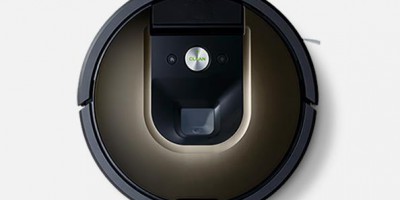
Both robot vacuums and traditional vacuum cleaners are designed for cleaning dust and small debris. While they both bring convenience, many consumers are unsure of their differences. Luftmy discusses the technical distinctions and how micro-dust sensors significantly enhance the performance of both devices.
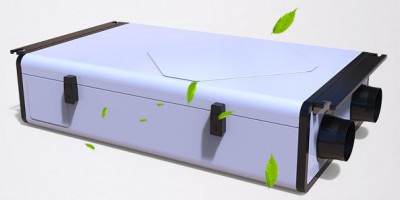
Most fresh air purification products work by filtering out particulates via a filter screen. By adding detection sensors, these systems can monitor air status in real-time, allowing users to see the air quality while intelligently controlling the operation of the fresh air unit for energy efficiency.
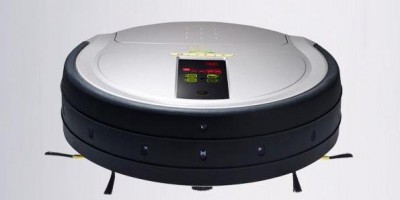
No robot can function without sensors. For a robot to exhibit intelligent behavior, it must constantly perceive its environment. Sensors allow robots to precisely measure the concentration of mites, dust, and hair, displaying real-time cleanliness data for floors, carpets, and sofas.

Smog has become a household concern. As indoor air monitoring trends grow, particulate and gas sensors have become the core of sensing technology. The quality of the sensor directly affects the final monitoring data, which is crucial for air quality management.

While people pay attention to home air quality, they often overlook public spaces. Increasingly, these venues are adopting air purification systems with built-in PM2.5 sensors to provide visible and reliable air quality data to the public.
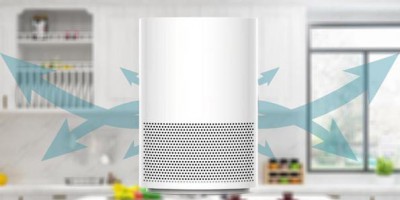
There are countless "guides" on how to buy air purifiers, but do you really understand how they work? Today, Luftmy focuses on the small part that 99% of users ignore but is standard in almost every unit: the PM2.5 dust particulate sensor.
