

Technical Support:
158-7527-1139

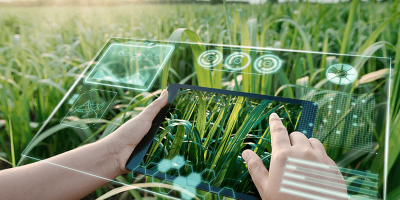
With the continuous development of technology, the agricultural field is gradually entering the era of intelligence. Smart agriculture utilizes advanced technology to improve production efficiency, reduce resource waste, and ensure the quality and safety of agricultural products. In smart agriculture, sensors play a crucial role in monitoring and collecting various agricultural data, helping farmers make more informed decisions. This article introduces commonly used sensors in smart agriculture.
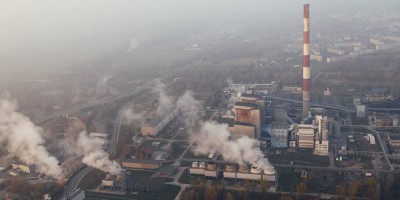
With continuous urbanization and industrial development, atmospheric pollution has become a serious environmental problem. Fine particulate matter (PM2.5) is a major component of air pollution, severely impacting human health and the environment. To monitor and manage PM2.5 pollution, the development of PM2.5 particulate matter sensors has become particularly important. This article discusses the current development status of PM2.5 sensors and analyzes future trends.

Dust is a major form of air pollution that can have adverse effects on human health and the environment. To monitor and control atmospheric dust concentrations, scientists and engineers have developed dust sensors. This article explores the working principle of dust sensors and how they detect dust particles in the air.
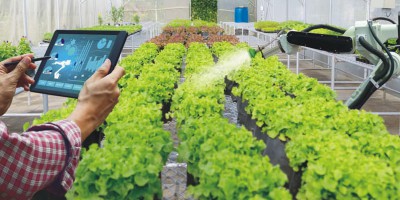
The application of sensors in agriculture has made significant progress, playing an important role in improving agricultural production efficiency, reducing production costs, and ensuring food safety. However, the application of sensors in agriculture also faces some challenges, mainly including the following aspects:
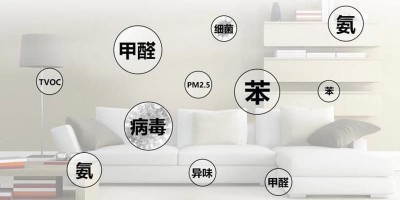
Gas sensors are devices that detect and measure gas concentration by utilizing changes in physical or chemical properties of gases. Gas sensors are widely used in environmental monitoring, industrial safety, medical health, and other fields.
With the continuous development of technology, sensor technology is increasingly used in various fields, from gyroscopes in smartphones to temperature sensors in industrial automation. Sensors have become an indispensable part of modern life and industrial production. However, to ensure the accuracy and stability of sensor data, a series of measures and technical means must be taken.

Indoor air quality has a significant impact on our health and comfort. Understanding and monitoring indoor air quality is key to ensuring our quality of life. In this article, we will explore how to use sensor technology to monitor indoor environmental quality and why this process is so important.

With the growing emphasis on indoor air quality, air quality sensors are being applied more widely. An all-in-one air quality sensor integrates multiple sensors into one, capable of measuring various air quality indicators simultaneously. It features a small size, low power consumption, and low cost, offering broad application prospects in the field of indoor air quality monitoring.
Sensors are the "eyes" and "ears" of smart devices, responsible for collecting external environmental information to provide data support for the decision-making and execution of smart devices. The accuracy and stability of sensor data directly affect the performance and reliability of smart devices. Accuracy refers to the consistency between the sensor's measured value and the true value. Higher accuracy allows for more precise decision-making. For example, sensors used for autonomous driving must have high accuracy to ensure vehicle safety in complex environments.
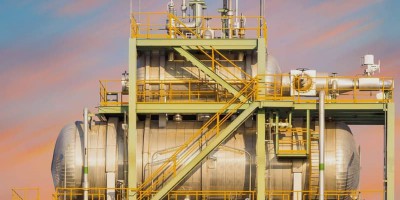
With continuous industrialization, the use of industrial boilers is becoming more widespread. The combustion process of industrial boilers generates a large amount of exhaust gas, of which carbon dioxide is one of the main pollutants. CO2 emissions can seriously impact the environment, making it essential to monitor and control CO2 in industrial boiler exhaust.

Rapid technological progress has brought many conveniences. Smart home design is a major result of this. However, despite playing a key role, sensors also face challenges and limitations. This article delves into these issues.
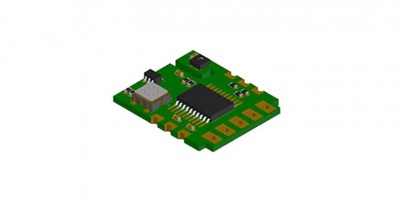
With the continuous development of technology, sensor technology plays an increasingly important role in our daily lives. Temperature and humidity sensors are common and very useful, capable of monitoring environmental conditions to provide vital data for various applications. This article explores their applications and impact on our lives.
