

Technical Support:
158-7527-1139


All-in-one air quality sensors refer to sensors capable of simultaneously measuring the concentrations of multiple air pollutants. The emergence of all-in-one air quality sensors has simplified the air quality detection process, improved efficiency, and reduced costs.

Formaldehyde sensors are instruments used to detect formaldehyde concentrations, widely used in homes, offices, schools, and other places. During use, formaldehyde sensors may encounter common problems. Understanding these issues and taking corresponding measures can ensure normal operation and data accuracy.

Air quality sensors are instruments used to detect the concentration of pollutants in the air, widely used in homes, offices, schools, and other places. The lifespan of an air quality sensor refers to the duration of time it can operate normally. The lifespan depends on various factors, including sensor type, manufacturing process, and working environment.
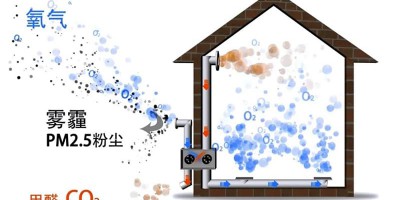
As demand for healthy indoor environments increases, fresh air systems have become indispensable. CO2 sensors play a key role in optimizing air quality by detecting CO2 levels using infrared, chemical, or optical principles. When concentrations exceed thresholds, the sensor triggers the system to cycle and refresh the air.

Robot vacuums are popular appliances for automatic floor cleaning. Do they have dust sensors? Yes, most have built-in sensors to help identify dust levels and adjust cleaning intensity accordingly.
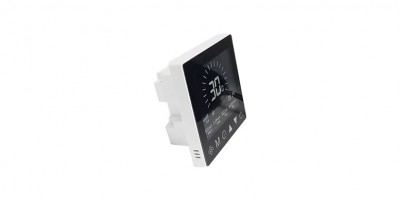
With growing attention to indoor air quality, fresh air systems are common in modern homes and offices. As the core component, the control panel plays a vital role in monitoring and control, enabling intelligent operation and providing precise data. This article introduces the sensors involved in these panels.
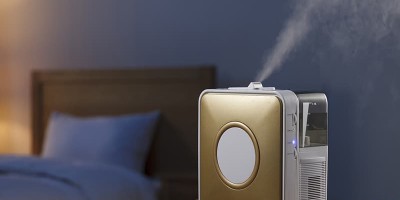
As modern life increasingly focuses on air quality, air purifiers have become common tools for improving indoor air. However, demands for purifiers and their internal dust sensors vary across different office settings and environments. This article explores differences in air purifiers and specific requirements for dust sensors in various scenarios.
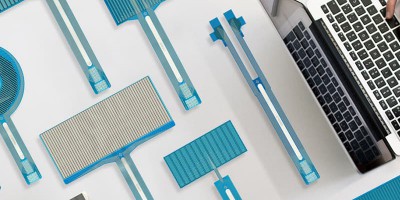
Against the background of modern technological development, sensors have become indispensable tools in many fields. Whether in industrial automation, healthcare, environmental monitoring, or consumer electronics, sensors play an important role. However, people often worry about one question: how long is the typical service life of a sensor? This article will delve into the lifespan of sensors and the factors that affect it to help people better understand and manage these critical devices.

In winter, closed windows lead to poor circulation and pollutant buildup. Fresh air systems effectively improve air quality, making them more necessary in cold seasons.

CO2 is a waste gas from respiration. In healthcare, sensors monitor breathing, warn of disease risks, and improve medical environments.

Air quality is vital for human survival. Dust is a key pollutant harmful to health. Thus, monitoring dust levels is of great significance.

In modern life, we focus more on environmental quality, with air monitoring being crucial. Gas sensors play a vital role here. This article explores their principles, applications, and importance to health.
