

Technical Support:
158-7527-1139

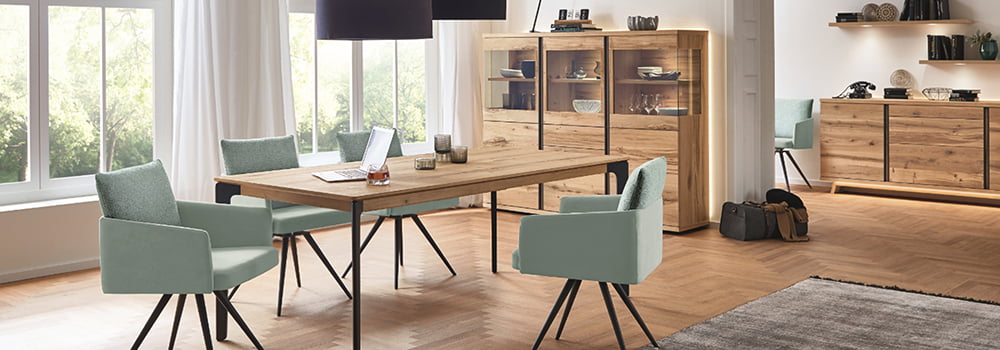
In our daily lives, furniture is an important component of the home environment. However, a following concern is the formaldehyde that furniture may contain, which is a common harmful chemical substance. Long-term exposure can cause serious impacts on human health. Therefore, understanding how to detect formaldehyde content in furniture and ensuring the safety of the home environment has become an important topic. So, how should we know if furniture contains formaldehyde?
First, let us understand what formaldehyde is. Formaldehyde is a colorless toxic gas commonly found in plywood, fiberboard, wooden furniture, wallpaper, carpets, and certain paints and coatings. The release of formaldehyde can last for many years, especially in new furniture and renovation materials.
So, how to detect formaldehyde? Currently, there are several methods available for detecting formaldehyde levels in furniture:
● Formaldehyde sensor: There are various formaldehyde sensors available on the market that can continuously monitor formaldehyde concentration in indoor air. Their advantage is ease of operation and real-time understanding of formaldehyde levels. However, the disadvantage is that accuracy may be affected by environmental factors such as temperature and humidity.
● Formaldehyde detector: Formaldehyde detectors are usually more accurate than sensors and can provide more detailed measurement results. These devices are typically operated by professionals and can be used for in-depth formaldehyde concentration testing in specific furniture or rooms.
● Chemical reagent detection: This is a more traditional method using specific chemical reagents to detect the presence of formaldehyde. While this method is more economical, it requires certain chemical knowledge and operational skills, and it may not provide real-time data.
● Indoor air quality assessment: Besides direct detection of formaldehyde, one can also hire professional indoor air quality assessment services to comprehensively detect multiple pollutants in the home environment. Such services usually include formaldehyde detection and can provide recommendations for improving air quality.
When detecting formaldehyde content in furniture, the following factors should also be considered:
● Ventilation: Ensuring the room has good ventilation after furniture installation can help reduce formaldehyde concentration.
● Humidity control: Higher humidity will accelerate the release of formaldehyde, so keeping indoor humidity at an appropriate level is important.
● Formaldehyde traps: Some products claim to adsorb or neutralize formaldehyde in the air; while their effectiveness may vary, they can serve as auxiliary means.
In conclusion, understanding whether furniture contains formaldehyde and taking corresponding measures to reduce its impact is crucial for protecting the health of family members. By using formaldehyde sensors, formaldehyde detectors, or other detection methods, we can effectively monitor and control formaldehyde levels in the home environment, creating a safer and healthier living space.
