

Technical Support:
158-7527-1139

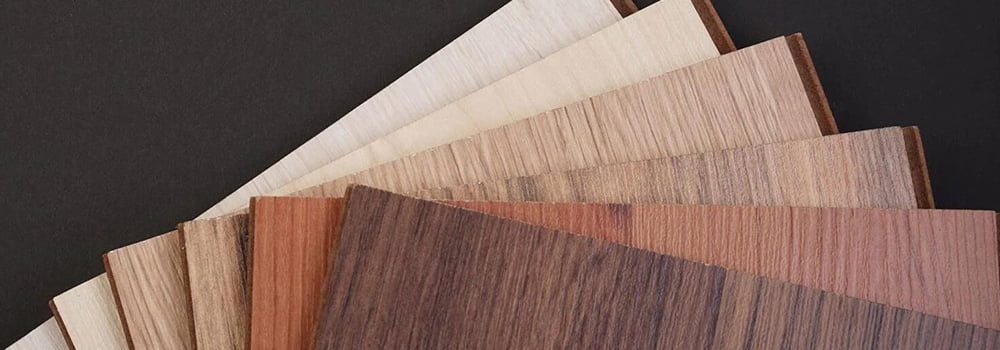
Formaldehyde is a common indoor air pollutant, especially after purchasing new furniture and performing indoor renovations. Due to its potential risks to human health, understanding how to effectively monitor and remove formaldehyde from furniture has become particularly important.
First, monitoring formaldehyde levels is the first step in ensuring indoor air safety. Various formaldehyde detection tools are available on the market, including household formaldehyde detectors, formaldehyde sensors, and professional testing services. Household formaldehyde detectors are easy to use and can provide instant formaldehyde concentration readings. Formaldehyde sensors, on the other hand, need to be installed in a specific location for real-time monitoring. However, if you want more accurate detection data, it is recommended to hire professional air quality testing services. In addition, since formaldehyde release is a long-term process, regular detection or long-term monitoring is very necessary.
After understanding how to detect/monitor formaldehyde in furniture, we also need to understand how to remove it. The following points are effective methods:
1. Ventilation: This is the simplest and most direct method to remove formaldehyde. Maintaining indoor air circulation can significantly reduce formaldehyde concentration. Especially after renovation or buying new furniture, frequent window opening for ventilation is essential.
2. Use air purifiers: Choose air purifiers with activated carbon filters, as activated carbon can effectively adsorb formaldehyde and other volatile organic compounds. Replace filters regularly to maintain their effectiveness.
3. Indoor plants: Certain plants such as spider plants, aloe vera, and pothos are believed to absorb formaldehyde from the air. Although the purification effect of plants is limited, they can serve as auxiliary measures.
4. Use formaldehyde removers: There are specialized formaldehyde removers on the market that can neutralize formaldehyde. However, use them with caution to avoid creating new indoor pollution.
5. Use eco-friendly materials: Prevention is better than cure. When buying furniture or renovating, choosing low-formaldehyde or formaldehyde-free materials and products can reduce formaldehyde release from the source.
Monitoring/detecting and removing formaldehyde is a continuous process that requires comprehensive consideration of various factors and methods. By taking active measures, we can effectively improve the home environment and create a safer, healthier living space for ourselves and our families.
