

Technical Support:
158-7527-1139

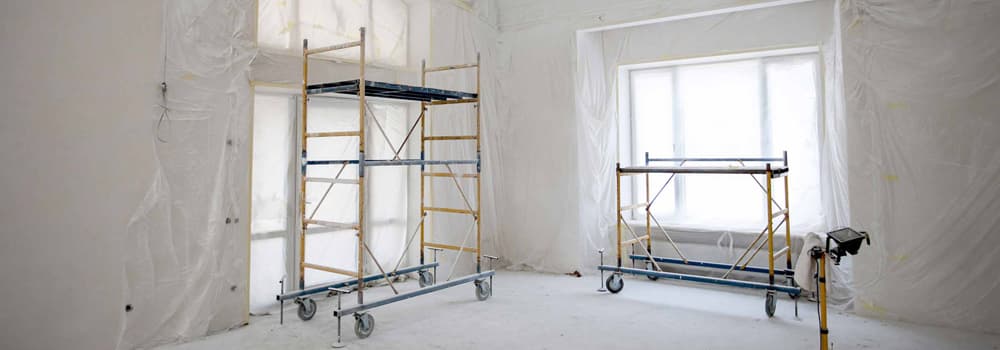
Formaldehyde is a common organic compound widely present in our home environment, such as in furniture, carpets, and paints. Its presence can have a significant impact on human health. Therefore, understanding the standard range of formaldehyde and its potential health effects is crucial for maintaining a healthy living and working environment.
I. Formaldehyde Standard Range
The World Health Organization (WHO) recommended indoor air quality guideline for formaldehyde is 0.1 mg/m³. Standards may vary by country and region. For example, the limit in Europe is 0.12 mg/m³, while the U.S. Environmental Protection Agency (EPA) recommends a long-term exposure limit of 0.08 ppm (approximately 0.1 mg/m³). Formaldehyde concentrations exceeding these standards may pose a threat to human health.
II. Health Impacts of Excessive Formaldehyde
Health issues caused by excessive formaldehyde include:
● Irritation of the eyes, nose, and throat.
● Skin allergic reactions, such as rashes.
● Respiratory problems, especially in asthma patients.
● Potential long-term effects, such as an increased risk of cancer.

III. Prevention and Response Measures
Given the health risks of formaldehyde, taking effective preventive and responsive measures is vital. These include:
● Choosing furniture and building materials with low formaldehyde emissions.
● Maintaining good indoor ventilation, especially in newly renovated spaces.
● Regularly testing indoor air quality. In addition to professional assessment services, various tools like formaldehyde sensors are available for preliminary self-testing. While helpful, these should be viewed as auxiliary tools rather than the sole reliance.
● If excessive levels are found, consider using air purifiers or other purification equipment.
Understanding the standard range of formaldehyde and its health impacts is very important. Using a formaldehyde sensor can help people better control their indoor environment and protect their health. As concern for indoor air quality grows, adopting such technical means to ensure environmental safety will become more common and significant.
