

Technical Support:
158-7527-1139

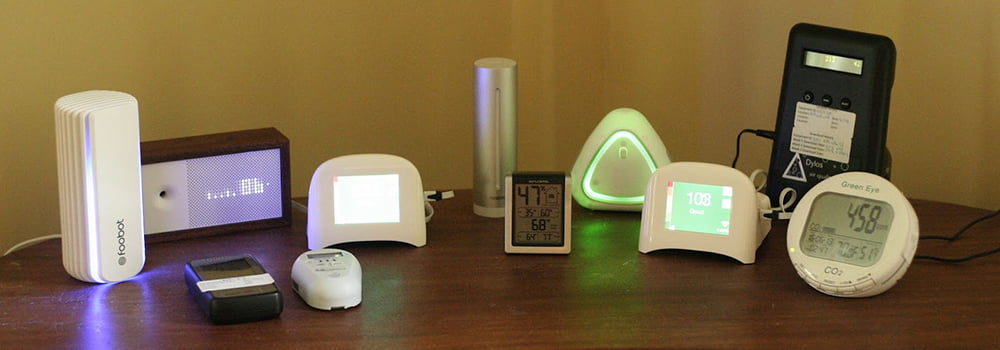
In modern life, air quality has gradually become an important factor affecting family health. With the development of technology, home air quality detectors have become the choice for more and more families to monitor and improve indoor air quality. So, is it appropriate to use an air quality detector to check air quality at home, and is it really useful? This article will explore the application and importance of air quality detectors in the home environment.
First, understanding the sources of indoor air pollution is very important for evaluating the necessity of air quality detectors. Indoor air pollutants may include dust mites, pollen, smoke, pet dander, formaldehyde, volatile organic compounds (VOCs), carbon monoxide, etc. These pollutants can not only cause respiratory diseases and allergic reactions but may even lead to long-term health problems.
In this context, the air quality detector has become a useful tool that can help us monitor pollutant levels in the home air. Modern air quality detectors can typically detect a variety of pollutants, including but not limited to PM2.5 (fine particulate matter), PM10, CO2, formaldehyde, VOCs, as well as relative humidity and temperature. Through this data, family members can not only understand the real-time status of indoor air but also take corresponding air purification or improvement measures based on the detection results.
The main advantages of an air quality detector include:
● Increased awareness of air quality: Through regular monitoring, family members have a more intuitive understanding of indoor air quality and can take measures more proactively to improve it.
● Assisting air purification: The detector can guide the frequency and intensity of using air purifiers, thereby improving indoor air quality more efficiently.
● Preventing health risks: Monitoring specific pollutants can help prevent related health problems, which is particularly important for people with respiratory diseases or allergies.

However, when using an air quality detector, the following points should also be noted:
● Accuracy and sensitivity: Choose a detector with high accuracy and good sensitivity to ensure the reliability of the data.
● Regular calibration and maintenance: To maintain the accuracy of the detector, regular calibration and maintenance are necessary.
● Comprehensive solution: The air quality detector should be used as part of a comprehensive plan to improve indoor air quality, rather than the only solution.
In summary, using an air quality detector to monitor air quality at home is an appropriate and beneficial practice. It not only helps family members understand indoor air quality but also guides the implementation of effective air purification measures, thereby creating a healthier and more comfortable living environment. By comprehensively using air quality detectors and other air purification methods, we can effectively improve the quality of life and health of our families.
