

Technical Support:
158-7527-1139

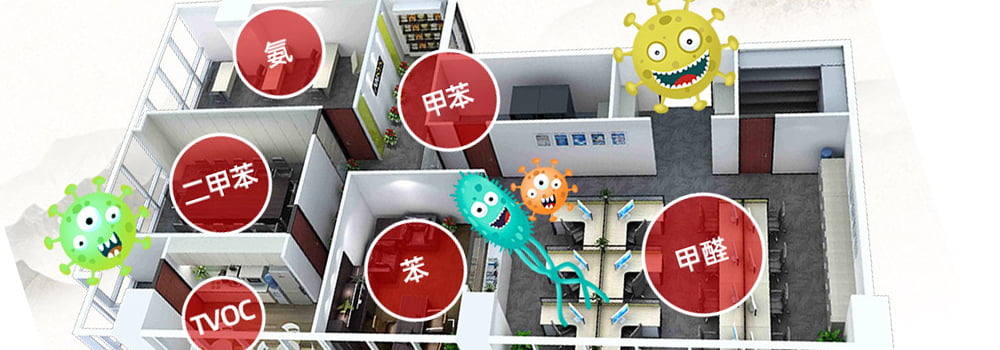
Formaldehyde is a common indoor air pollutant, and long-term exposure to environments containing formaldehyde can pose a serious threat to human health. In closed environments like offices, regular monitoring of formaldehyde concentration is particularly important. This article will introduce how to choose a suitable formaldehyde sensor to ensure the safety of air quality in the office.
First, the accuracy of the sensor is one of the most important selection criteria. The accuracy of a formaldehyde sensor determines the credibility of its monitoring data. When choosing, it is necessary to check the technical parameters of the sensor, especially the detection limit (the lowest detectable formaldehyde concentration) and the error range. High-precision sensors can accurately measure formaldehyde concentrations, providing reliable data even at extremely low concentrations.
Secondly, sensitivity and response time are also factors to consider. A high-sensitivity formaldehyde sensor can respond more quickly to changes in formaldehyde levels in the air and provide measurement results. This is very useful for real-time monitoring and taking emergency measures to reduce formaldehyde concentrations to safe levels.
Furthermore, reliability is an element that cannot be ignored when choosing a formaldehyde sensor.
The stability of the sensor during continuous operation, as well as its anti-interference ability after long-term use, determines the authenticity of its monitoring results. Trusted brands and formal quality certifications can serve as a basis for selection.
In addition, real-time monitoring and data recording functions are especially important for office environments. Some formaldehyde sensors are equipped with real-time data display screens, and some can even be wirelessly connected to smartphones or computers, making it easy for managers to understand the formaldehyde levels in the office environment in a timely manner. Long-term data recording helps track air quality trends and provides a basis for formulating further improvement measures.
Miniaturization and portability are factors that sensors in modern office environments must consider. Compact sensors are easy to place and will not affect the aesthetics or usable space of the office. At the same time, portable sensors are convenient to carry and can perform mobile measurements in different office areas.
Finally, cost-effectiveness should not be overlooked when making a decision. Choosing the sensor with the highest cost-performance ratio within the budget requires considering not only the initial purchase cost but also the long-term maintenance and calibration expenses.
In summary, when choosing a suitable formaldehyde sensor, key factors such as accuracy, sensitivity, reliability, real-time monitoring and data recording capabilities, miniaturization, and cost-effectiveness must be considered. Effective indoor formaldehyde monitoring not only helps improve employee productivity and health levels but is also a manifestation of corporate social responsibility. Through careful selection and rational deployment of formaldehyde sensors, it can be ensured that formaldehyde concentrations in the office remain within a safe range, creating a healthy and safe working environment for all employees.
