

Technical Support:
158-7527-1139

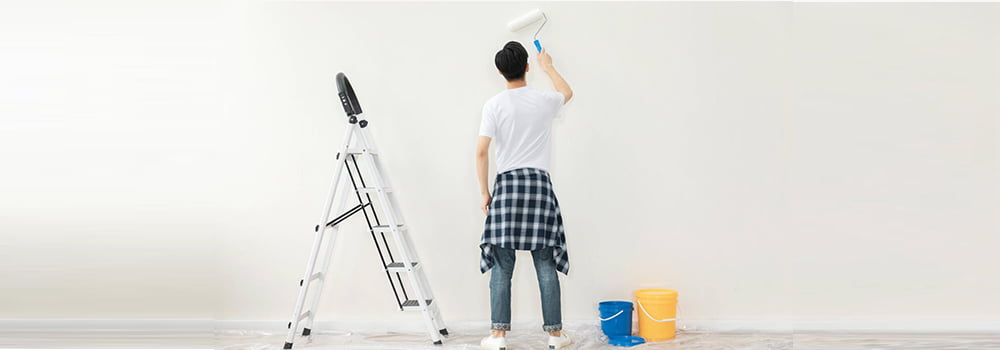
After the renovation of a new home is completed, everyone wishes to move in as soon as possible. However, many are troubled by formaldehyde released from decoration materials and have to postpone their move-in plans. Formaldehyde, a volatile organic compound, not only has a pungent odor but is also harmful to human health. So, how can we judge when formaldehyde is dissipated, and what methods can accelerate this process?
The Emission Cycle of Formaldehyde
The release period of formaldehyde can last for several years, but it is usually most intense in the first few months after renovation. Ambient temperature and humidity are the main factors affecting the release rate of formaldehyde. Warm and humid environments will accelerate its release, while the opposite will slow it down. Therefore, the dissipation speed of formaldehyde varies across different regions and seasons.
To determine when it is safe to live in, it is first necessary to detect the formaldehyde concentration in the indoor air. There are various Formaldehyde Detection tools on the market, such as Formaldehyde Detectors or Formaldehyde Sensors. These devices can help monitor the formaldehyde concentration in indoor air and ensure it is within a safe range.
Methods to Accelerate Formaldehyde Dissipation
● Ventilation: This is the most natural and effective way. Regularly opening windows for ventilation to allow air circulation between indoors and outdoors helps dissipate formaldehyde.
● Temperature Control: Keep the indoor temperature from being too high to avoid accelerated formaldehyde release caused by high heat.
● Use Air Purification Devices: Some Air Purifiers are equipped with filters that can adsorb formaldehyde, which can effectively reduce indoor formaldehyde concentration.
● Place Activated Carbon: Activated carbon has the ability to adsorb formaldehyde. Packs of activated carbon can be placed in multiple corners of the room.
● Indoor Plants: Some plants like Pothos (Green Radish) and Spider Plants are believed to absorb formaldehyde; although their effect is limited, they provide some help in improving Indoor Air Quality.
● Professional Remediation: If formaldehyde concentration is extremely high, it is recommended to hire a professional indoor environmental remediation company for treatment.
In conclusion, for newly renovated houses, it is very necessary to regularly detect indoor formaldehyde concentration and take appropriate measures to accelerate its dissipation. This not only helps protect the health of residents but also contributes to creating a more comfortable and safe living environment.
