

Technical Support:
158-7527-1139

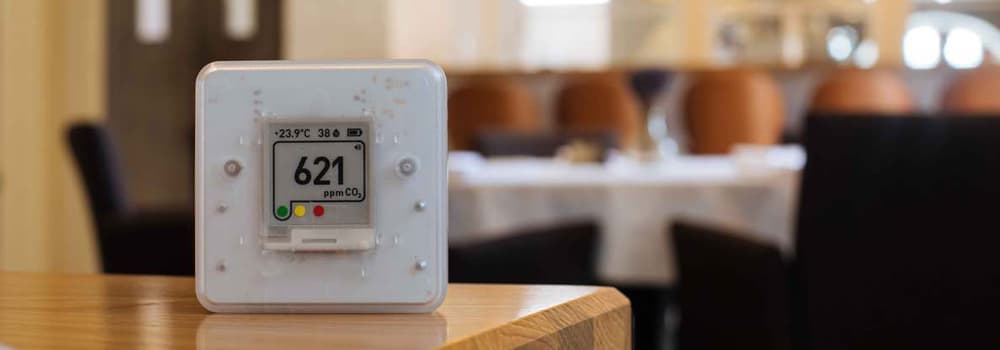
In contemporary office environments, employees often face various health challenges, one of which is the issue of indoor air quality. Many office workers frequently feel drowsy, lack energy, or even experience low productivity. A significant reason could be excessively high indoor carbon dioxide (CO2) concentrations. This article will explore the potential hazards of rising indoor CO2 concentration to the human body, as well as how to detect and address indoor CO2 issues.
First, we need to understand the hazards of increased indoor CO2 concentration. People release carbon dioxide during normal breathing. In enclosed or poorly ventilated indoor environments, as CO2 concentration gradually rises, indoor air quality deteriorates. High CO2 concentration can lead to headaches, fatigue, distraction, and even affect cognitive function. Long-term exposure to such environments may also increase the risk of cardiovascular diseases.
After understanding the hazards of rising indoor CO2 concentration, we then discuss how to detect indoor CO2 concentration. Currently, common methods for detecting indoor CO2 concentration include:
1. Using CO2 Sensors: This is the most direct and common method. CO2 sensors can display indoor carbon dioxide concentrations in real-time, helping us understand the immediate air quality status. There are various types of CO2 sensors on the market, ranging from simple household models to professional industrial grades.
2. Smart Sensors and System Integration: In some modern office environments, CO2 sensors are integrated into smart building management systems. These systems can continuously monitor air quality and automatically adjust air conditioning or ventilation systems when CO2 concentrations reach a preset threshold.
3. Regular Air Quality Assessments: Regularly conduct comprehensive air quality assessments of the office environment through professional environmental testing services. Such assessments typically include the measurement of CO2 concentration and the detection of other air pollutants.

Once detection methods are understood, we also need to know how to respond to excessively high indoor CO2 concentration. Some effective strategies include:
● Enhance indoor ventilation and open windows regularly for fresh air exchange.
● Install appropriate air purification systems indoors.
● Consider using indoor plants to improve air quality.
● Adjust indoor layout to avoid overcrowding.
In summary, rising indoor CO2 concentration not only affects human health but can also reduce work efficiency. By using CO2 sensors, smart sensor systems, and regular air quality assessments, we can effectively monitor and manage indoor carbon dioxide levels. Simultaneously, taking appropriate ventilation and air purification measures can significantly improve indoor air quality, creating a healthier and more efficient working environment.
