

Technical Support:
158-7527-1139

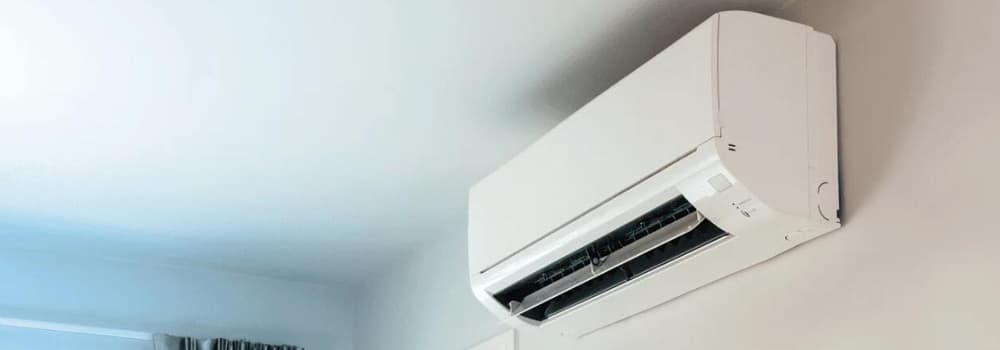
On hot summer days, air conditioning has become an indispensable device in many homes and workplaces. However, using air conditioning in a closed environment for a long time can lead to indoor carbon dioxide (CO2) concentrations exceeding standards, thereby affecting health. This article will explore how to enjoy the coolness brought by air conditioning while avoiding excessive indoor carbon dioxide concentrations, and how to effectively use CO2 Sensors to monitor and improve Indoor Air Quality.
First, we need to understand why using air conditioning in a closed environment causes indoor carbon dioxide concentrations to rise. In a closed room, the carbon dioxide exhaled by people gradually accumulates, while the lack of sufficient ventilation prevents the discharge of carbon dioxide and the inflow of fresh air. Long-term exposure to this environment can lead to symptoms such as headache, fatigue, and lack of concentration, and have a negative impact on respiratory health.
For the healthy use of air conditioning, here are some effective strategies:
● Regular ventilation. Although doors and windows are usually closed when using air conditioning, regular window ventilation is necessary. You can choose to ventilate by opening windows before or after Air Conditioning Use, or open windows briefly during a certain period of the day to promote air circulation.
● Use CO2 Sensors to monitor Indoor Air Quality. By monitoring indoor carbon dioxide concentrations in real-time, you can know when ventilation is needed to maintain Indoor Air Quality.
● Reasonably adjust the air conditioning temperature. Avoid setting the air conditioning temperature too low, which not only helps with energy saving and emission reduction but also reduces physical discomfort caused by large temperature differences.
● Maintain the air conditioning system. Regularly clean the filters and vents of the air conditioner to ensure the cleanliness and efficient operation of the system, which can reduce the negative impact of the air conditioning system on Indoor Air Quality.
● Add indoor plants. Certain indoor plants can absorb carbon dioxide and release oxygen to a certain extent, helping to improve Indoor Air Quality.
● Consider using an air purifier. While using air conditioning, using an air purifier can further improve Indoor Air Quality, especially for environments where frequent ventilation is not possible.
In summary, although air conditioning provides us with a comfortable indoor environment, while enjoying the coolness it brings, we also need to pay attention to the maintenance of Indoor Air Quality. Through regular ventilation, using CO2 Sensors for monitoring, reasonably adjusting temperatures, maintaining the air conditioning system, adding indoor plants, and using air purifiers, we can effectively control indoor carbon dioxide concentrations and ensure a healthy and comfortable enjoyment of air-conditioned life during the hot summer. Through these measures, we can not only improve our quality of life but also contribute to environmental protection.
