

Technical Support:
158-7527-1139

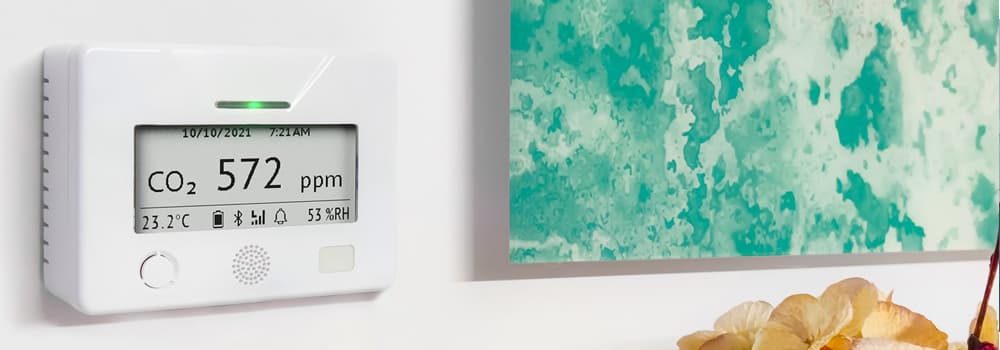
In today's society, as public concern for Indoor Air Quality increases, carbon dioxide (CO2) sensors play a vital role in monitoring the indoor environment. The main function of CO2 sensors is to detect the carbon dioxide concentration in indoor air, helping to evaluate air quality and guide ventilation improvements. Correct use and understanding of CO2 sensors are essential for maintaining Indoor Air Quality and safeguarding the health of occupants. This article will explore several key points to note when using CO2 sensors indoors.
I. Understand the working principle of CO2 sensors
Carbon Dioxide Sensors assess Indoor Air Quality by measuring the CO2 concentration in the air. High CO2 levels typically indicate insufficient ventilation in indoor spaces, which can lead to health issues such as fatigue, headaches, and decreased concentration. Therefore, understanding how the sensor works helps in correctly interpreting its data and taking action accordingly.
II. Correct installation of CO2 sensors
● Choose a suitable location: Sensors should be installed in representative areas, avoiding proximity to doors, windows, or vents to prevent interference from outside air on readings.
● Installation height: Since CO2 is heavier than air, sensors should generally be installed at a height of about 1.5 meters from the ground to more accurately reflect the air quality in the breathing zone.
III. Correct interpretation of monitoring data
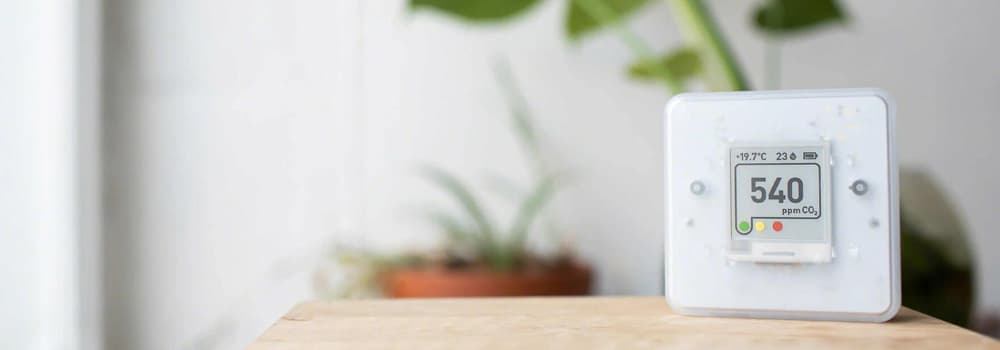
● Understand CO2 concentration indicators: The CO2 level in normal outdoor air is about 400 ppm (parts per million). Indoor CO2 levels above 1000 ppm are generally considered poor air quality, requiring improved ventilation.
● Focus on fluctuation trends: Monitoring the trends in CO2 level changes, rather than just a single reading, can better assess Indoor Air Quality.
IV. Regular maintenance and calibration
● Cleaning and maintenance: Regularly clean the sensor to avoid dust accumulation affecting accuracy.
● Calibration: Periodically calibrate the CO2 sensor to maintain measurement accuracy.
V. Combine with other air quality monitoring
● Integrated monitoring: In addition to CO2, attention should also be paid to other air quality indicators such as PM2.5, humidity, etc.
● Take comprehensive measures: Promptly ventilate based on CO2 sensor readings and adopt other air purification measures.
VI. Precautions
● Prevent over-reliance: A CO2 sensor is only a part of Indoor Air Quality management and cannot replace ventilation and air purification.
● Interpret data rationally: High CO2 levels do not necessarily mean a health hazard, but they are an important indicator for evaluating ventilation needs.
Carbon Dioxide Sensors are important tools for monitoring Indoor Air Quality, but correct use and interpretation of their data are key. Through reasonable layout, regular maintenance, and correct interpretation of CO2 concentration data, we can effectively improve Indoor Air Quality and create a healthier, more comfortable living environment for occupants.
