Technical Support:
158-7527-1139

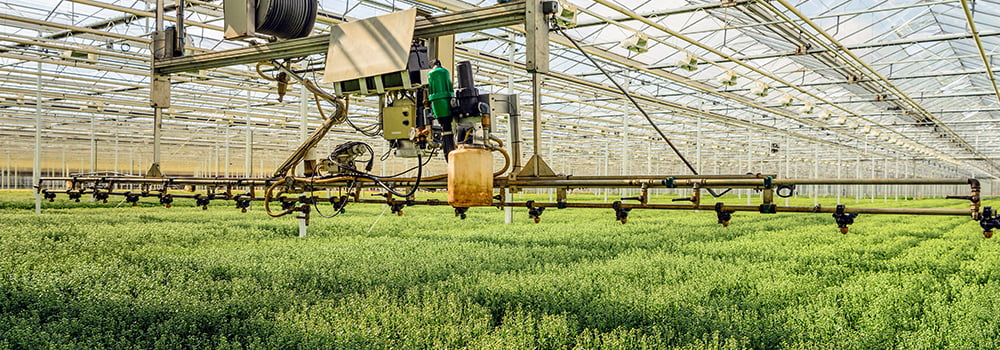
A dust sensor is a device capable of detecting the concentration and size of dust particles in the air. Featuring advantages such as small size, light weight, low cost, and ease of use, it has been widely applied in fields like industry, environmental protection, construction, and healthcare.
In recent years, with the development of agricultural modernization, dust sensors have gradually been adopted in the agricultural sector. The application of dust sensors in agriculture has broad prospects and can provide crucial technical support for agricultural production.
The applications of dust sensors in agriculture mainly include the following aspects:
● Air Quality Monitoring: Dust sensors can monitor the concentration and size of airborne dust. Dust particles can adversely affect crop growth by hindering photosynthesis and leading to pests and diseases. Therefore, monitoring air quality provides vital environmental information for crop development.
● Soil Quality Monitoring: Dust sensors can also be used to monitor dust content in the soil. Excessive soil dust can affect soil aeration, water permeability, and fertility, thereby impacting crop growth. Monitoring this provides scientific guidance for planting.
● Crop Growth Monitoring: Dust particles affect physiological processes such as photosynthesis, transpiration, and respiration, which in turn affects yield and quality. Monitoring crop status provides timely guidance for agricultural management.
● Crop Pest and Disease Monitoring: Dust particles can create favorable conditions for the spread of pests and diseases. Monitoring these particles provides a scientific basis for pest and disease control.
● Agricultural Data Analysis: Data collected by dust sensors can be used for agricultural data analysis. This help farmers understand crop status, air quality, and soil quality to support decision-making in production.
As dust sensor technology continues to evolve, its application in agriculture will become even more widespread, providing more comprehensive and precise technical support for agricultural production.