Technical Support:
158-7527-1139

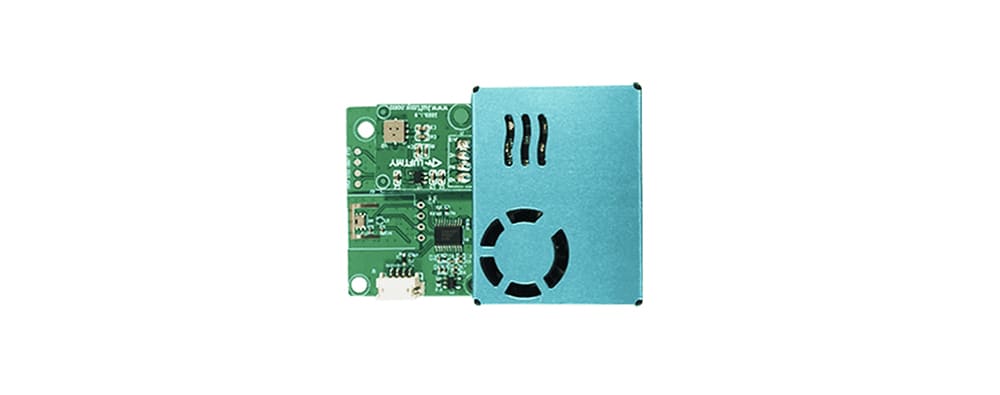
Sensors are devices capable of perceiving and responding to changes in the external environment, serving as the foundation for the Internet of Things (IoT) and smart devices. Sensors can be divided into two types: single sensors and all-in-one sensors.
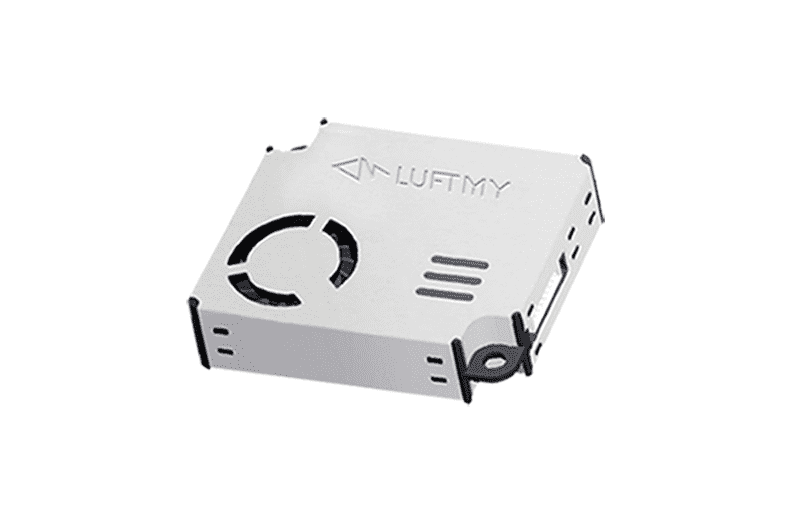
Single Sensor: It can only measure one type of physical quantity. For example, a temperature sensor can only measure temperature, and a pressure sensor can only measure pressure. Single sensors usually have high measurement accuracy and stability, but they are larger in size and have higher costs.
All-in-One Sensor: It can simultaneously measure multiple physical quantities. For example, a temperature and humidity sensor can measure both temperature and humidity at the same time, and a gas sensor can simultaneously measure the concentration of multiple gases. All-in-one sensors usually have a smaller volume and lower cost, but their measurement accuracy and stability are not as high as those of single sensors.
Differences Between the Two:
The main differences between all-in-one sensors and single sensors include:
△ Measurement Scope: A single sensor can only measure one physical quantity, whereas an all-in-one sensor can measure multiple physical quantities simultaneously.
△ Volume: Single sensors typically have a larger volume, while all-in-one sensors usually have a smaller volume.
△ Cost: The cost of a single sensor is usually higher, while the cost of an all-in-one sensor is typically lower.
△ Accuracy and Stability: Single sensors generally offer higher accuracy and stability, whereas all-in-one sensors may not match the accuracy and stability of single sensors.
Application Scenarios:
The application scenarios for all-in-one sensors and single sensors are distinct.
△ Single sensors are typically used in situations with high requirements for measurement accuracy and stability, such as industrial production and medical diagnosis.
△ All-in-one sensors are typically used in situations with high requirements for cost and volume, such as smart homes and consumer electronics.
Development Trends:
With the continuous development of technology, the measurement accuracy and stability of all-in-one sensors will continue to improve, leading to applications in more fields.
All-in-one sensors and single sensors each have their own pros and cons, offering different advantages in various application scenarios. When choosing a sensor, it is necessary to determine based on specific application needs.