Technical Support:
158-7527-1139

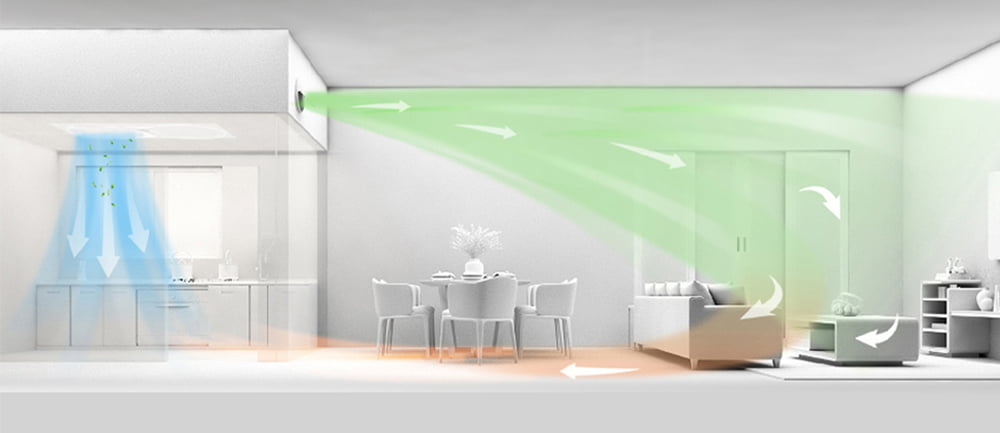
With increasing focus on indoor air quality, fresh air systems have gradually become essential tools for improvement. Within these fresh air systems, the application of infrared dust sensors plays a pivotal role, helping the system monitor and manage dust particles more effectively. This article will explore the principles, functions, and critical roles of infrared dust sensors in fresh air systems.
I. Principle
An infrared dust sensor is a device based on infrared light principles that assesses air quality by detecting dust particles in the indoor air. Its working principle is as follows:
1. Infrared Emission: The sensor emits a beam of infrared light into the indoor air.
2. Beam Reflection: When the light beam encounters dust particles, scattering occurs, and a portion of the light is reflected back to the sensor.
3. Reception and Analysis: The sensor receives the reflected light and determines the dust concentration by analyzing the light scattering pattern.
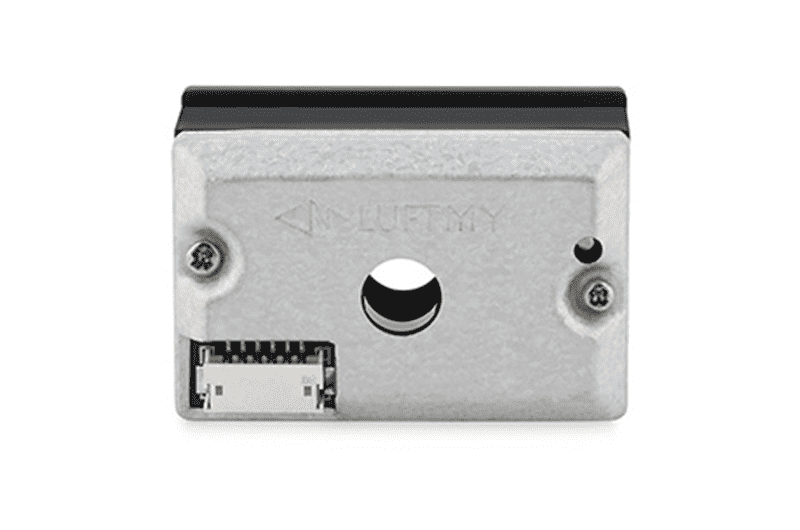
II. Functions
1. Precise Monitoring: Infrared dust sensors monitor dust levels with high precision, providing accurate data for system control.
2. Real-time Feedback: Sensors provide instant feedback on concentration changes, allowing the fresh air system to quickly adjust fan speed and filter cleaning frequency.
3. Automatic Control: Based on sensor data, the fresh air system can automatically adjust modes to ensure air remains fresh.
4. Energy Saving: By adjusting operations according to actual needs, energy consumption is reduced and utilization efficiency is improved.
III. Role
1. Dust Filtration: Indoor particles may contain bacteria, pollen, and harmful dust. By monitoring in time, infrared dust sensors help lower pollutant concentrations, reducing risks of allergies and respiratory diseases.
2. Air Freshness: Infrared dust sensors ensure air quality remains at high levels, effectively removing odors and providing a crisp indoor environment.
3. Health and Comfort: Better air quality improves the comfort of occupants. People find it easier to work, study, and rest in clean indoor environments.
4. Long-term Benefits: These sensors can extend the lifespan of the fresh air system, reduce maintenance costs, and slow the wear of furniture and equipment.
The application of infrared dust sensors in fresh air systems has become a key factor in enhancing indoor air quality. By precisely monitoring particles, they enable fresh air systems to provide healthy and comfortable indoor environments. Therefore, their importance should be fully recognized during design and maintenance. In the future, we can expect further innovations in infrared dust sensor technology to better meet air quality demands.