

Technical Support:
158-7527-1139

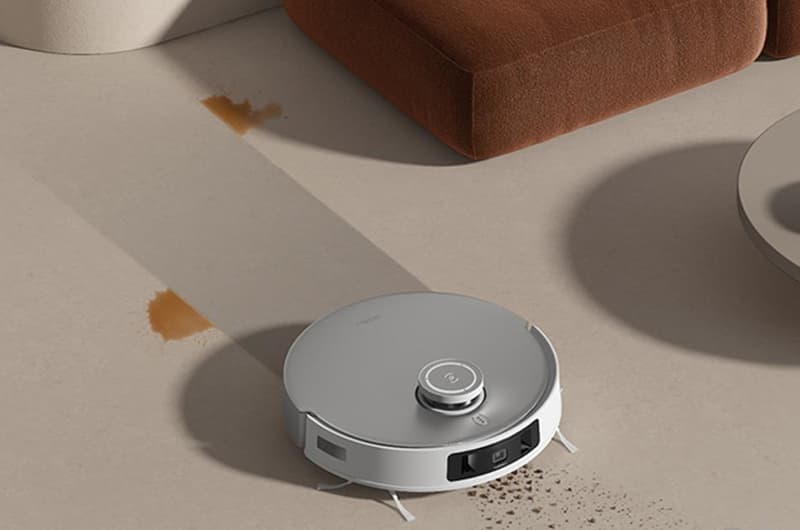
Hello everyone, today we are going to answer a popular question about home technology: “Does a robot vacuum have a dust sensor?” In this article, we will reveal how the dust sensor on a robot vacuum operates and how it makes our lives more convenient.
Does a robot vacuum have a dust sensor?
The answer is yes! Many modern robot vacuums, especially smart ones, are equipped with dust sensors. The dust sensor is a vital component in these smart home devices, helping the robot vacuum clean more accurately and efficiently.
How does a dust sensor work?
The working principle of a dust sensor is quite simple. It usually uses photoelectric or laser sensors to determine the presence of dust in the air or on the floor by emitting light and detecting the reflected beams. This sensor can detect minute dust particles, allowing the robot vacuum to focus its cleaning on areas with high dust concentration.
The Role of Dust Sensors in Robot Vacuums
The application of dust sensors significantly improves the cleaning efficiency of robot vacuums. During the cleaning process, the dust sensor monitors the amount of dust in the cleaning area in real-time. When a high-concentration area is detected, the robot vacuum automatically adjusts its strategy, such as increasing suction power or repeating the sweep until the dust is thoroughly removed.
This makes the robot vacuum smarter and more efficient, saving us a lot of time and energy. It is a microcosm of how technological innovation brings convenience to our lives in the new era of smart homes.
We hope this article helps you understand the dust sensor in robot vacuums and its role in enhancing quality of life. Let’s enjoy the convenience of technology and look forward to more smart devices entering our homes!
