Technical Support:
158-7527-1139

I believe everyone has had beer to some extent in their life. Some people like to have a small drink at home, while others drink beer to enhance the atmosphere at parties, events, or social gatherings. Anyone who has drunk beer should have a deep realization that beer easily creates a feeling of fullness. This is because the yeast in beer produces carbon dioxide.

During the beer brewing process, yeast breaks down fermentable sugars into alcohol and carbon dioxide in an anaerobic environment. This carbon dioxide combines with water to form carbonic acid. It functions to remove oxygen from the wine and prevent the beer from being oxidized. Additionally, the carbon dioxide and organic acids in beer have refreshing and invigorating effects. On one hand, drinking in moderation can reduce excessive excitement and tension and promote muscle relaxation; on the other hand, carbon dioxide can stimulate oral nerves and promote digestion.
Carbon dioxide in beer also gives beer its refreshing taste and rich foam. Among them, these foams are carbon dioxide in the beer which, under certain pressure and low-temperature conditions, are dissolved in the beer in various forms (such as adsorption) and compounds. When a bottle is opened, carbon dioxide is released from the liquid and rises to the surface due to pressure changes and vibration. Furthermore, the viscosity of beer and the presence of certain surface-active substances (especially proteins) make it difficult for the foam to break, maintaining it for a period of time and forming a beautiful, white, and delicate foam accumulation.
CO2 is the primary product of beer fermentation, and CO2 is an indispensable and important raw material in modern beer technology. Therefore, the rational use of carbon dioxide plays an important role in improving the brewing process and enhancing beer quality. However, LUFTMY reminds everyone that in the beer production process, safety measurement of CO2 concentration is especially necessary because beer fermentation tanks are equipped with pressure relief valves. If the pressure in the tank is too high, CO2 gas will overflow through these valves, and there is also a risk of gas leakage from tanks or pipelines.
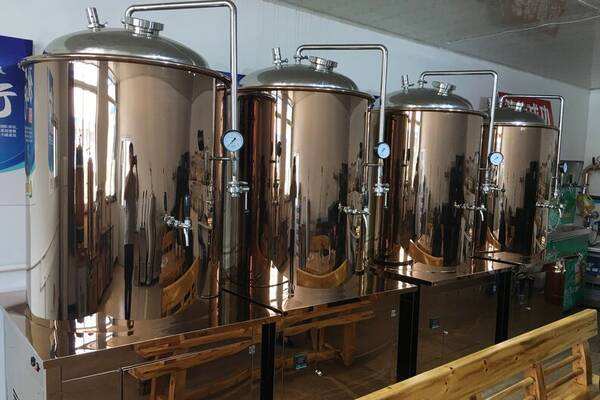
Carbon dioxide can cause certain damage to the human body. As the CO2 concentration rises, people may begin to feel tired. High concentrations of carbon dioxide can lead to loss of consciousness or even death. Industries where carbon dioxide may rise to dangerous levels include brewing and carbonated beverages, as well as distilleries. Therefore, it is necessary to monitor the CO2 concentration in every place where CO2 accumulation or leakage exists.
The CO206 sensor is a carbon dioxide sensor based on the non-dispersive infrared (NDIR) detection principle. It adopts a dual-beam design and features high measurement accuracy, low power consumption, and good stability. This sensor can be widely used in various occasions, especially in fields such as food transportation, storage, incubation, and agriculture.
LUFTMY's current products include laser dust sensors, dust sensors, micro-dust sensors, and infrared sensors. Through continuous R&D and manufacturing of the latest processes, these products possess the advantages of high sensitivity, consistency, and stability, earning significant recognition and praise from customers in the industry. For more product information and sample applications, please contact customer service.