

Technical Support:
158-7527-1139


Dust, also known as particulates, is a type of tiny particulate matter that exists in the environment around us. Although they are microscopic, they have a significant impact on air quality and health. A dust sensor is a key sensor technology used to detect and measure dust concentration. This article will explore in depth what a dust sensor is and its application in vacuum cleaners and mite removal controllers.
What is a dust sensor?
A dust sensor is a sensor specifically designed to detect tiny particulate matter. They can detect various types of dust, including dust, pollen, mold spores, smoke, and other particulates. These sensors use different working principles to achieve dust detection, including optical sensing, resistance measurement, and electromotive sensing.
Applications of dust sensors in vacuum cleaners and mite removal controllers:
● Real-time dust monitoring: Vacuum cleaners and mite removal controllers are usually equipped with dust sensors that can monitor indoor dust concentration in real time. This allows users to understand the dust levels in their living environment, helping to maintain good indoor air quality.
● Automatic adjustment of vacuum power: Some advanced vacuum cleaners and mite removal controllers can automatically adjust the power of the vacuum based on feedback from the dust sensor. When a high dust concentration is detected, the vacuum cleaner automatically increases suction to effectively remove dust and improve the mite removal effect.
● Improving mite removal efficiency: Dust sensors can be used to accurately measure the dust concentration on the surface of mattresses, sofas, and other furniture. This enables vacuum cleaners and mite removal controllers to target and clean high-dust areas, increasing mite removal efficiency.
● User alerts and reminders: Some vacuum cleaners and mite removal controllers can send user alerts and reminders based on dust sensor readings. This helps users understand when thorough cleaning and mite removal are necessary.
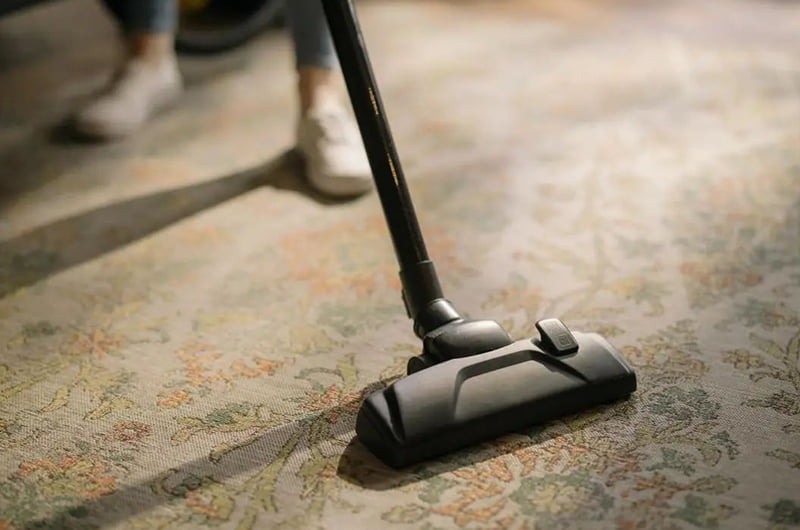
Advantages of dust sensors in vacuum cleaners and mite removal controllers:
● High precision: Dust sensors usually have high precision and can accurately measure dust concentration, providing reliable feedback.
● Real-time monitoring: These sensors can monitor changes in dust in real time, allowing users to stay informed about indoor dust levels at any time.
● Automation: The application of dust sensors enables vacuum cleaners and mite removal controllers to automatically adjust operations, improving cleaning efficiency and reducing user intervention.
● Improving indoor air quality: By monitoring and cleaning dust, vacuum cleaners and mite removal controllers help improve indoor air quality and reduce the risk of allergic reactions and respiratory problems.
The application of dust sensors in vacuum cleaners and mite removal controllers provides new means for indoor dust monitoring and cleaning. The high precision, real-time monitoring, and automatic adjustment functions of these sensors make vacuum cleaners and mite removal controllers smarter and more efficient. By maintaining indoor air quality and reducing dust accumulation, users can create a healthier and more comfortable living environment. With continuous technological progress, the application prospects of dust sensors in vacuum cleaners and mite removal controllers remain broad.
