

Technical Support:
158-7527-1139


In recent years, attention to indoor air quality has increased, and the hazards of formaldehyde, a common indoor pollutant, cannot be ignored. New furniture often contains formaldehyde, which if not handled in time, may pose a serious threat to human health. So, when an indoor formaldehyde sensor detects excessive formaldehyde, how can we treat it effectively?
First, we need to understand the sources of formaldehyde and its impact on health. Formaldehyde mainly comes from furniture, renovation materials, flooring, and coatings. Long-term exposure to high concentrations can lead to headaches, eye pain, throat discomfort, allergic reactions, and even cancer. Therefore, timely treatment of furniture with high formaldehyde concentrations is crucial.
For furniture with excessive formaldehyde, we can take the following measures:
1. Ventilation: Place the furniture in a well-ventilated area and open windows to allow air circulation, which helps accelerate the volatilization of formaldehyde. Especially in the first few days after purchase, increasing ventilation time can help discharge formaldehyde outdoors.
2. Plant Adsorption: Some plants like Spider Plants and Ivy have a strong ability to adsorb formaldehyde. Placing these plants around furniture can help reduce indoor concentrations.
3. Activated Carbon Adsorption: Activated carbon is an excellent adsorbent that can effectively capture harmful gases. Placing activated carbon bags near furniture can help reduce emissions.
4. Use Formaldehyde Scavengers: There are specialized cleaners or sprays available on the market that can be applied directly to furniture surfaces to help lower formaldehyde content.
5. Long-term Observation: If the emission is severe, avoid long-term contact, move the furniture to a highly ventilated area temporarily, or consider replacing it with eco-friendly furniture.
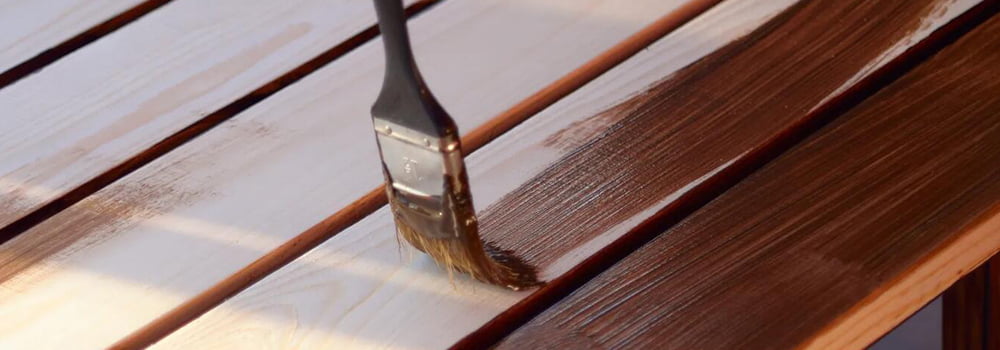
When treating furniture formaldehyde, note the following:
● Vulnerable groups like pregnant women, children, and the elderly should avoid exposure to formaldehyde pollution.
● When using activated carbon or air purifiers, replace filters regularly to ensure effectiveness.
● After professional treatment, conduct periodic re-testing based on indoor air quality standards to ensure compliance.
By taking proactive measures and choosing eco-friendly products, we can protect our family's health and create a comfortable living environment.
