

Technical Support:
158-7527-1139

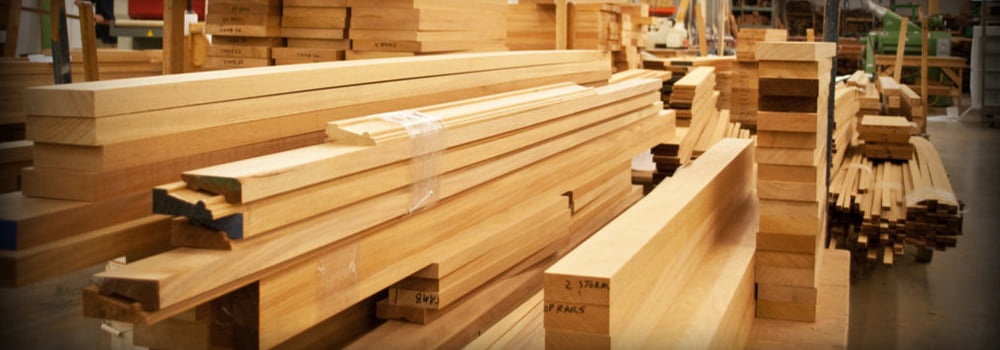
Formaldehyde is a colorless, strong-smelling volatile organic compound (VOC) that has been identified as a carcinogen by the World Health Organization. Furniture is one of the main sources of indoor formaldehyde release, and long-term exposure can cause serious harm to human health.
A formaldehyde sensor can monitor indoor formaldehyde concentration in real-time, providing consumers with intuitive data to help them take timely measures and reduce health hazards. In furniture manufacturing, formaldehyde sensors can play the following roles:
1. Improving Furniture Environmental Friendliness
Furniture manufacturing enterprises can use formaldehyde sensors during the production process to monitor the formaldehyde content of raw materials such as boards, coatings, and adhesives in real-time, ensuring products meet national environmental standards and reducing emissions.
2. Strengthening Quality Control
Using formaldehyde sensors at all stages of furniture production enables full-process quality control, ensuring that the formaldehyde content of finished products reaches the standard and improving product quality.
3. Optimizing Production Processes
By analyzing data monitored by formaldehyde sensors, furniture manufacturing companies can continuously optimize their production processes to reduce formaldehyde release and improve production efficiency.
4. Providing Safety Assurance for Consumers
Furniture manufacturing enterprises can integrate formaldehyde sensors into furniture products to provide consumers with real-time concentration monitoring, helping them understand indoor conditions and reduce health risks.
5. Promoting Industry Development
The application of formaldehyde sensors can encourage the furniture manufacturing industry to move towards green environmental protection, driving industry upgrades and enhancing product competitiveness.
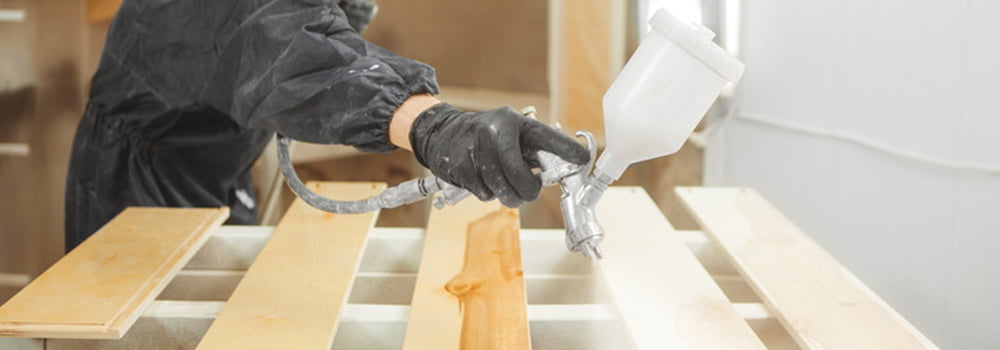
The main application scenarios for formaldehyde sensors in furniture manufacturing include:
● Raw Material Testing: Detecting formaldehyde content in boards, coatings, adhesives, and other raw materials to ensure they meet environmental standards.
● Production Process Control: Using formaldehyde sensors at various stages of furniture production to monitor release levels and adjust process parameters in a timely manner to ensure product quality.
● Finished Product Inspection: Testing the formaldehyde content of finished furniture to ensure compliance with national standards.
● Furniture Usage Phase: Integrating formaldehyde sensors into furniture products to provide consumers with real-time monitoring functions.
With the continuous development of formaldehyde sensor technology and decreasing costs, its application in furniture manufacturing will become even more widespread, providing consumers with safer and more environmentally friendly furniture products.
