

Technical Support:
158-7527-1139


We spend most of our time indoors, making air quality crucial. This article introduces two "secret weapons" for improving IAQ: Fresh air systems and laser dust sensors.

In today's health-conscious environment, measuring air quality is a vital topic. To understand air quality, choosing the right sensor is essential. This article discusses sensors used for air quality measurement and their various benefits.
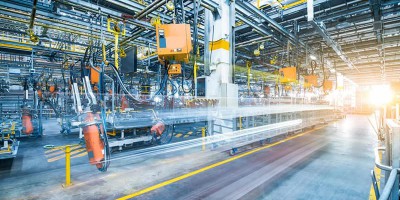
Dust sensors use optical, electrical, or acoustic principles to detect concentrations. With industrial growth, pollution has worsened. Dust sensors effectively monitor and control this, safeguarding production and the environment.
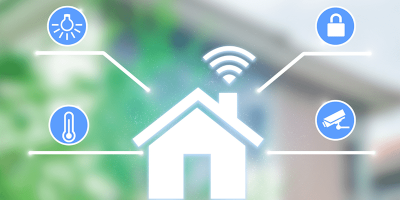
All-in-one sensors can simultaneously detect multiple physical or chemical quantities. With small size and low cost, they are widely used. As technology develops, they will play an even more important role in our daily routines.
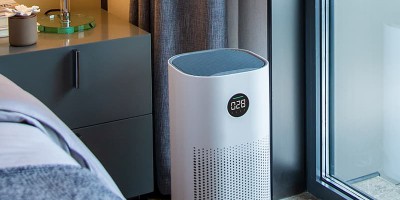
In modern society, air quality issues are receiving more attention. Whether indoors or outdoors, particles like dust, viruses, and bacteria pose threats to human health. This is the topic we are discussing today: "Protecting Health, Technology First: The Synergy between Sterilizers and Laser Dust Sensors."

With growing concern over indoor air quality, fresh air systems have become essential tools for improvement. In these systems, infrared dust sensors play a key role by helping the system effectively monitor and manage dust particles. This article will discuss the principles and functions of infrared dust sensors and their importance in maintaining air quality.
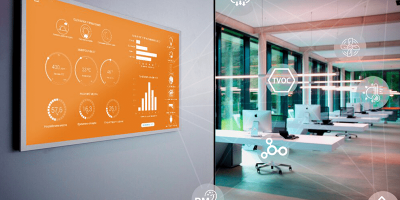
As living standards improve, requirements for indoor environmental quality are increasing. The quality of the indoor environment directly affects health and comfort. Consequently, indoor environmental monitoring has become an important research field, including metrics like temperature, humidity, air quality, and noise. Air quality is a core component, largely determined by pollutants such as dust, particulate matter, and gases. Therefore, detecting and monitoring these pollutants is a vital link in environmental management.
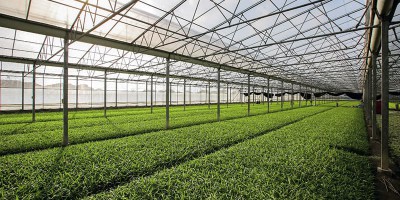
Greenhouse agriculture is becoming a major innovation in modern agriculture. By utilizing advanced technologies such as CO2 sensors, farmers can grow crops in controlled environments, increasing yields and reducing resource waste. This article explores how greenhouse agriculture achieves intelligent monitoring through CO2 sensors and the potential impact of this technology on the future of farming.

As standards of living rise, people demand better indoor environments. Fresh air systems use mechanical means to exchange air, improving cleanliness, oxygen levels, and freshness.
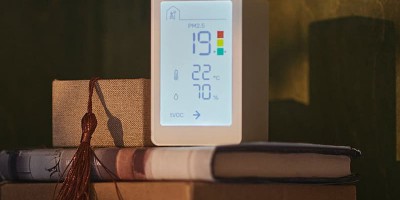
PM2.5 refers to particulate matter with a diameter of 2.5 micrometers or less, which can enter the human body via the respiratory tract and seriously affect health. PM2.5 sensors detect these concentrations using light or laser scattering principles and hold significant value in monitoring indoor environments for comfort and safety.
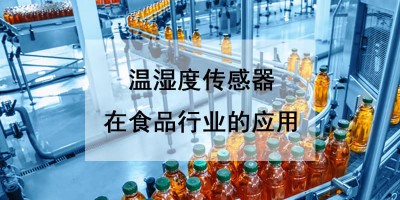
Temperature and humidity sensors are devices that detect environmental heat and moisture. They measure temperature using thermistors or thermocouples, and humidity via capacitive or infrared principles. These factors have a significant impact on food production; temperature affects chemical reaction speeds, microbial growth, and enzyme activity, influencing quality and shelf life. Humidity affects absorption rates and solubility, impacting food form and texture.
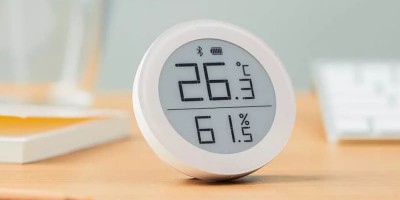
Appropriate indoor humidity and temperature improve life quality and health. We explore how to accurately monitor and control these factors for a comfortable home.
