

Technical Support:
158-7527-1139


In today’s society, with the improvement of people’s quality of life, indoor air quality is receiving increasing attention. In particular, carbon dioxide (CO2) concentration, as an important indicator of indoor air quality, has become a topic worth discussing regarding its impact on human health. Therefore, today Luftmy Guangzhou will share some knowledge on this aspect.
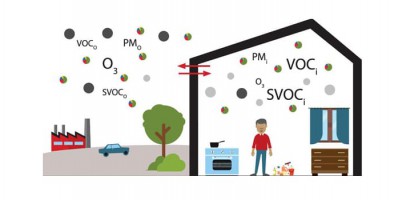
Against the backdrop of increasing awareness of environmental health, understanding and controlling the concentration of PM2.5 in indoor air has become an important issue. PM2.5, particles with a diameter of 2.5 micrometers or less, has direct and long-term effects on human health. To effectively manage indoor PM2.5 levels, it is first necessary to clearly recognize the main factors affecting its concentration.

In modern family life, keeping the home clean and dust-free is a continuous challenge. Due to the influence of the external environment and daily life activities, dust accumulation seems to be an endless process. However, by using the right tools and strategies, we can greatly reduce the accumulation of dust at home and maintain a consistently clean environment.

In today’s rapidly developing social environment, despite significant improvements in technology and quality of life, indoor air quality remains a challenge that cannot be ignored. Many homes and offices face dust accumulation issues, which not only affect indoor aesthetics but, more importantly, can pose a threat to human health. Fine dust particles are easily inhaled, leading to respiratory problems and even aggravating asthma and allergy symptoms. Therefore, finding effective ways to reduce indoor dust has become an urgent need for many people.
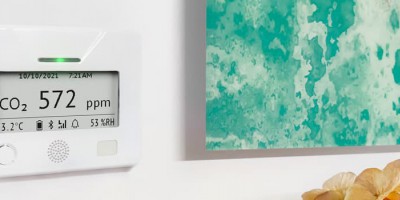
In today’s society, with increasing concern for indoor air quality, carbon dioxide (CO2) sensors play a vital role in monitoring indoor environments. The primary function of a CO2 sensor is to detect the concentration of carbon dioxide in indoor air, helping to assess air quality and guide ventilation improvements. Correct use and understanding of CO2 sensors are essential for maintaining indoor air quality and ensuring the health of occupants. This article will explore several key points to consider when using CO2 sensors indoors.

PM2.5, also known as fine particulate matter, is an extremely critical component of air pollution. These tiny particles have a diameter of 2.5 micrometers or less. Due to their extremely small size, they can penetrate deep into the lungs and even enter the bloodstream, posing a serious threat to human health. In modern society, with the acceleration of industrialization and urbanization, PM2.5 pollution has become a global environmental issue. Especially in indoor environments, the hazards of PM2.5 cannot be ignored. This article will explore the specific hazards of PM2.5 and discuss how to effectively reduce its impact indoors.

In modern homes, vacuum cleaners have become essential cleaning tools. With technology evolving, vacuums are constantly advancing—specifically through the addition of dust sensors, which enable intelligent upgrades. So, what specific intelligent changes do dust-sensor-equipped vacuums bring to the table?

In today's fast-paced life, vacuum cleaners have become indispensable tools for home cleaning. They not only significantly improve cleaning efficiency but also help improve the hygiene of the living environment. But when faced with various vacuum cleaners on the market, how should we choose the one that best suits our family's needs?

In modern society, as people increasingly value health and the quality of their living environment, indoor air pollution—especially formaldehyde—has become a hot topic. Formaldehyde, a colorless chemical with a pungent odor, exists widely in furniture, building materials, and textiles. Its potential hazards cannot be ignored; long-term exposure to low concentrations can cause respiratory irritation, skin inflammation, and even serious health issues like cancer. Therefore, understanding how to detect and address indoor formaldehyde pollution is crucial.

On hot summer days, air conditioning becomes indispensable for many homes and offices. However, long-term use of AC in enclosed environments can lead to indoor carbon dioxide (CO2) concentrations exceeding limits, thereby affecting health. This article will explore how to enjoy the coolness of air conditioning while avoiding excessive indoor CO2 levels, and how to effectively use CO2 sensors to monitor and improve indoor air quality.

With rapid industrialization and urbanization, PM2.5 pollution and smoggy weather have become major environmental issues facing many cities. PM2.5, particles in the air with a diameter of 2.5 microns or less, poses a serious threat to human health because they are fine and easily penetrate deep into the respiratory system. Therefore, in times of frequent hazy weather, understanding how to effectively deal with PM2.5 pollution is crucial.

In our daily lives, the cleanliness of the home environment is closely related to health. In particular, household dust is often overlooked, but it can actually pose quite a threat to human health. This article will explore the potential hazards of household dust and discuss the importance of taking action using dust sensors.
