

Technical Support:
158-7527-1139

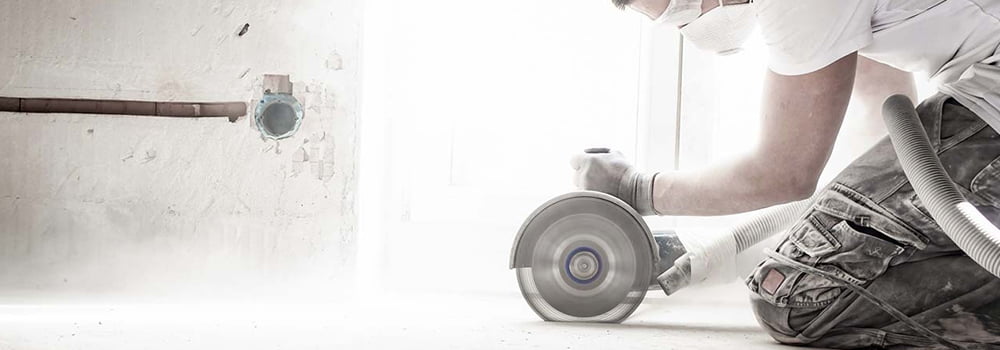
In the process of home renovation, the generation of dust is almost inevitable. This dust not only affects the working environment during construction but may also have long-term adverse effects on the health of family members. Therefore, understanding the impact of renovation dust on indoor air quality, and how to effectively control and reduce this dust, is crucial for ensuring the health and comfort of family members.
First, we need to recognize the potential impact of renovation dust on indoor air quality. During renovation, whether it is sanding walls, cutting materials, or mixing dry powders, a large amount of dust is generated. These dust particles can not only be transmitted through the air but may also deposit on furniture and other household items, and even penetrate into air conditioning and ventilation systems. Long-term exposure to such an environment may lead to respiratory problems and other health issues.
To accurately know whether renovation dust affects indoor air quality, dust sensors can be used for monitoring. These sensors can detect the concentration of dust in the air in real-time, helping family members understand the current air quality status. In this way, measures can be taken promptly to control and reduce the dust in the air.
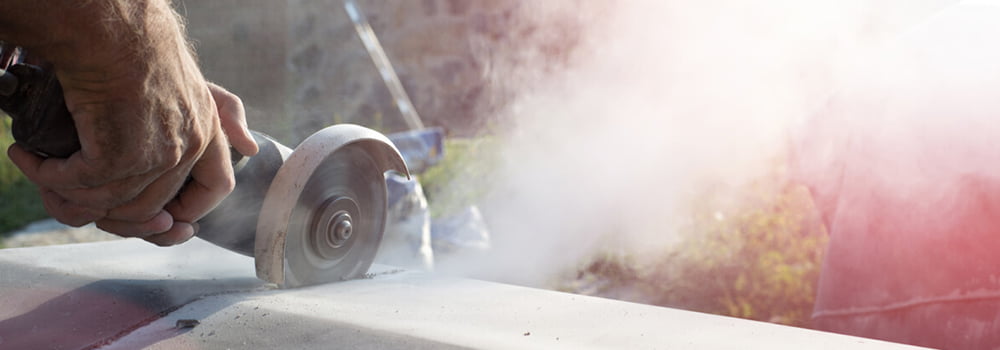
Next, we will explore how to reduce dust generation during renovation. Here are some effective methods:
● Isolation of construction areas: During renovation, the construction area should be isolated from the living area as much as possible. Using plastic sheets or other isolation materials to seal the construction area can effectively reduce the spread of dust to other parts of the home.
● Use of dust nets and enclosed tools: Using enclosed cutting and sanding tools during the construction process can greatly reduce the release of dust. At the same time, dust nets should be installed in the construction area to capture more dust particles.
● Regular cleaning: Cleaning should be performed regularly during construction to promptly remove accumulated dust. Using a vacuum cleaner with a High-Efficiency Particulate Air (HEPA) filter can clear dust more effectively.
● Wet work methods: Where possible, adopting wet work methods (such as wet cutting or sanding) can significantly reduce the generation of airborne dust.
● Ventilation and air purification: Maintaining good ventilation in the construction area is an important means of reducing dust. In addition, using air purifiers can help remove fine particulate matter from indoor air.
● Selection of renovation materials: Choosing low-dust or dust-free renovation materials is also an effective way to reduce renovation dust. For example, using pre-mixed liquid materials instead of dry powder materials.
Through the above methods, not only can the dust generated during the renovation process be effectively reduced, but the indoor air quality after renovation can also be improved. This is not only beneficial to the health of family members but also enhances living comfort. Renovation is a complex and arduous process, but through reasonable planning and management, we can minimize its negative impact on the indoor environment.
