Technical Support:
158-7527-1139

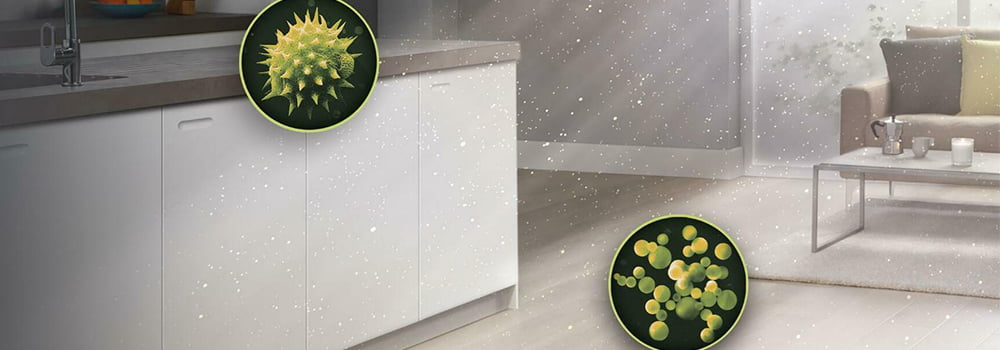
Dust in the home is not just a cleaning problem; it also poses a threat to our health. Excessive dust can cause breathing difficulties, allergic reactions, and long-term health issues. To this end, technology provides us with various ways to reduce indoor dust, one of which is using dust sensors. This article will show you how to use dust sensors to monitor air quality at home and provide effective strategies for reducing and controlling dust.
First, let's understand how dust sensors work. A dust sensor is an electronic device capable of detecting the mass and quantity of particulate matter in the air. These sensors can measure particles of different sizes, including PM2.5 and PM10, which are harmful to human health. Some advanced models can even send detected data via Wi-Fi to your smartphone or other devices, allowing you to monitor indoor air quality in real-time.
After understanding the dust levels in your home, you can take the following measures to reduce and control dust:
● Consistent Cleaning: Regular housework is the first step in controlling dust. Routine vacuuming and cleaning can significantly reduce dust in the home. Remember to use a high-efficiency vacuum cleaner that prevents particles from re-entering the air.
● Improve Ventilation: Ensuring good air circulation in the home can help reduce airborne dust. When weather permits, opening windows for ventilation is the simplest method. Additionally, consider using a ventilation system with high-efficiency filters to better control air quality at home.
● Use air purifiers: Air purifiers can help remove microparticles from the air, including dust, pollen, and other potential allergens. Make sure to choose a device suitable for your room size and replace its filters regularly.
● Regularly Clean Fabrics: Curtains, sofa covers, carpets, and other fabrics are hiding places for dust. Regular washing or using fabric cleaners can help lower the dust on these surfaces.
● Reduce Clutter: Placing too many small objects makes cleaning more difficult and provides places for dust to settle. Selective decoration can reduce dust accumulation.
● Indoor Plants: Certain indoor plants can help reduce pollutants in indoor air; although their impact on dust is limited, they are still beneficial for air purification.
Combining these strategies with dust sensors can greatly improve indoor air quality. Sensor data can help you understand which measures are most effective and when additional cleaning or turning on the air purifier is necessary. For example, if the sensor shows an increase in PM2.5 levels, it means you may need more frequent cleaning or to update your air purification strategy.
These measures can not only reduce your cleaning burden but also create a healthier living environment for you and your family. By intelligently using dust sensors and other cleaning tools, you can effectively reduce dust in your home and enjoy fresh, clean air.