

Technical Support:
158-7527-1139

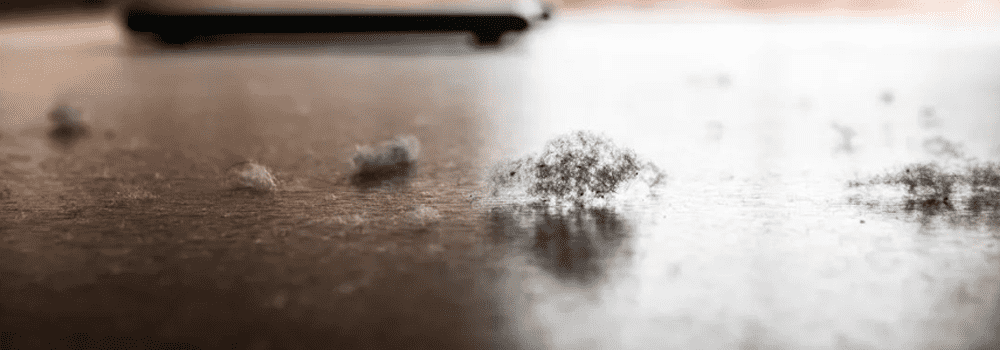
With the intensification of environmental pollution, people are paying more and more attention to air quality issues. Particulate matter in the air, especially dust and PM2.5, has become a major public health concern. So, is dust equivalent to PM2.5? This question is crucial for understanding air quality.
Is dust equal to PM2.5?
First of all, we need to clarify that dust is not equivalent to PM2.5. Dust refers to visible, larger particulate matter in the air, usually originating from soil, plant pollen, fabric fibers, etc. PM2.5 specifically refers to fine particulate matter with a diameter of 2.5 micrometers or less. Due to their extremely small size, these particles can penetrate deep into the alveoli, posing a greater threat to human health. Therefore, although both are particulate matter in the air, there are obvious differences in size and their impact on human health.
Can dust sensors detect PM2.5 particles?
Regarding whether a dust sensor can detect PM2.5, the answer is that it cannot identify them. Dust sensors are primarily designed to detect larger particulate matter, such as household dust and pollen. These sensors are typically based on light scattering or light obscuration technology and have high sensitivity to particles with diameters exceeding 2.5 micrometers. However, due to technical limitations, these sensors cannot accurately detect tiny particles like PM2.5.
Can PM2.5 sensors detect dust?
As for whether a PM2.5 sensor can detect dust, the answer is that most can, but there are also limitations. PM2.5 sensors are specifically designed to detect fine particulate matter in the air, using high-precision optical or laser scattering technology. This makes them perform excellently in detecting particles with diameters smaller than 2.5 micrometers. Therefore, these sensors can detect most dust particles, especially finer ones. However, for some larger dust particles, PM2.5 sensors may not provide accurate detection results because their primary function is to monitor finer particles.
In summary, there are significant differences between dust and PM2.5 in terms of particle size and impact on human health. Although dust sensors can detect larger particles, they perform poorly in monitoring PM2.5; while PM2.5 sensors can monitor most dust particles, they also have limitations in some cases. Understanding the working principles and limitations of these sensors is essential for accurately assessing air quality and taking appropriate air purification measures. Through such understanding, we can more effectively improve our living environment and create a healthier living space for ourselves and our families.
