

Technical Support:
158-7527-1139

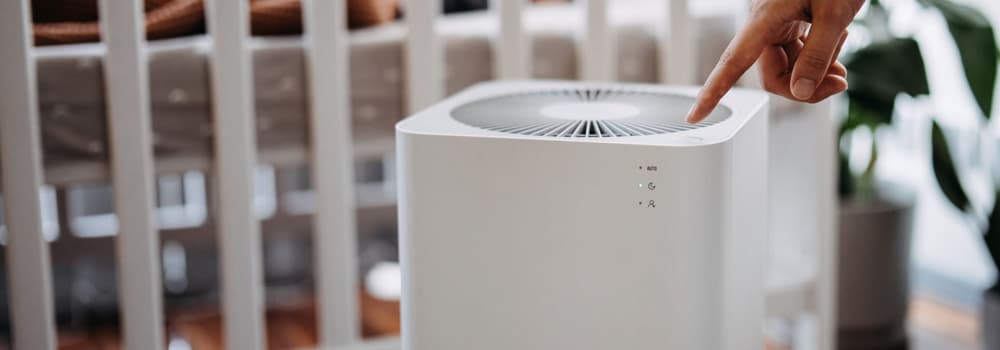
In contemporary society, with the improvement of quality of life, people are paying more and more attention to the health of their living environment. The management of indoor air quality has become an important part of healthy home life. As one of the common indoor pollutants, dust poses a potential threat to human health. These tiny particles not only have the potential to trigger respiratory diseases but may also carry harmful microorganisms. Against this background, air purifiers, as effective tools for improving indoor air quality, have been widely welcomed. But how do air purifiers identify and filter out these tiny dust particles?
First, let's explore how air purifiers identify dust. In modern air purifiers, the most common identification technology is through built-in dust sensors. These sensors utilize light scattering principles to detect particles in the air. In short, the sensor estimates the dust concentration in the air by emitting light and observing how it is reflected or refracted by particles in the air. In addition, some advanced models may also employ laser particle counters or other more sophisticated detection technologies to provide more accurate air quality readings.
However, not all air purifiers are equipped with dust sensors. Some basic air purifiers on the market may not integrate this advanced sensing technology. These purifiers without sensors typically rely on fixed operating modes rather than adjusting their work based on real-time air quality data.
So, what is the difference between an air purifier equipped with a sensor and one that is not? First of all, an air purifier with a dust sensor can automatically adjust its operating intensity according to real-time air quality, thereby purifying the air more effectively. This type of purifier is usually smarter and can provide a more personalized user experience. In contrast, purifiers without sensors may be slightly lacking in efficiency and intelligence, but they are usually more affordable and suitable for consumers on a limited budget.
In summary, air purifiers play an important role in indoor air quality management, especially in identifying and reducing dust particles. Understanding the different types of air purifiers and their working principles can help consumers make more informed purchasing decisions, thereby creating a healthier and more comfortable living environment for themselves and their families.
