

Technical Support:
158-7527-1139

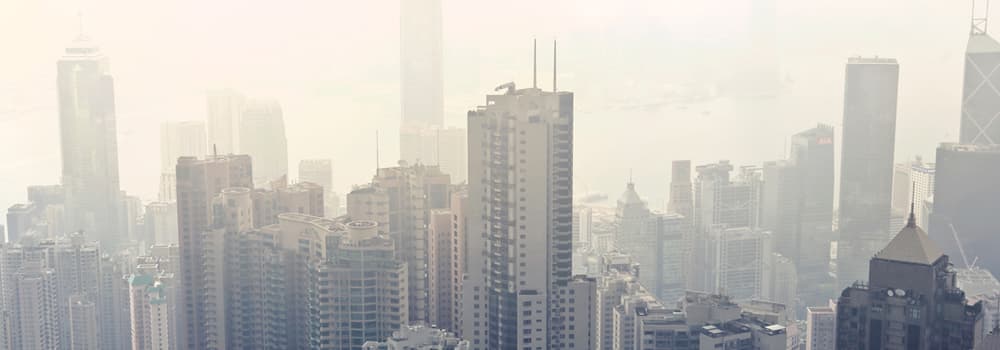
Smog weather phenomena have gradually become a norm in many cities. It not only affects our daily lives but also poses a threat to our health. Smog is mainly composed of PM2.5 (particulate matter with a diameter of 2.5 micrometers or less) and other harmful particles. These tiny particles can penetrate deep into the lungs and even enter the blood circulation, leading to various respiratory diseases and other health problems. Therefore, understanding the composition and hazards of Smog, as well as learning to take effective self-protection measures during Smog weather, is vital for everyone.
First, we need to understand the main component of Smog——PM2.5. PM2.5 mainly comes from industrial emissions, automobile exhaust, construction, and natural factors such as dust storms. These tiny particulate matters are suspended in the air, forming Smog with low visibility and high concentrations of harmful substances. Long-term exposure to such environments poses particularly high risks, especially for heart disease patients, asthma patients, and children.
When facing Smog weather, we can take the following measures to protect ourselves:
● Reduce Outdoor Activities: Minimize going out on Smog days, and specifically avoid outdoor exercises during periods of poor Air Quality to reduce the risk of inhaling PM2.5.
● Wear Masks: If you need to go out, wearing an N95 mask or other protective masks that can effectively block PM2.5 is necessary.
● Improve Indoor Air: Using an air purifier at home, especially one equipped with a HEPA filter, can effectively reduce indoor PM2.5 concentrations.
● Regular Ventilation: When the Smog clears, windows should be opened for ventilation to refresh the indoor air.
Among these, the use of PM2.5 Sensors is particularly important for monitoring and managing indoor Air Quality. These sensors can monitor PM2.5 concentrations in real-time, helping us understand indoor and outdoor Air Quality conditions. During Smog weather, monitoring data from PM2.5 Sensors allows us to more effectively adjust air purifier settings or decide when to ventilate, ensuring indoor Air Quality.
In summary, facing Smog weather, we need to take a series of measures to reduce the impact on health. This includes limiting outdoor activities, wearing masks, using air purifiers, and performing indoor ventilation at appropriate times. Meanwhile, the PM2.5 Sensor, as a powerful tool, can help us better understand and respond to Air Quality issues brought by Smog. Through these comprehensive measures, we can maintain a better quality of life during Smog days while protecting the health of ourselves and our families.
