

Technical Support:
158-7527-1139

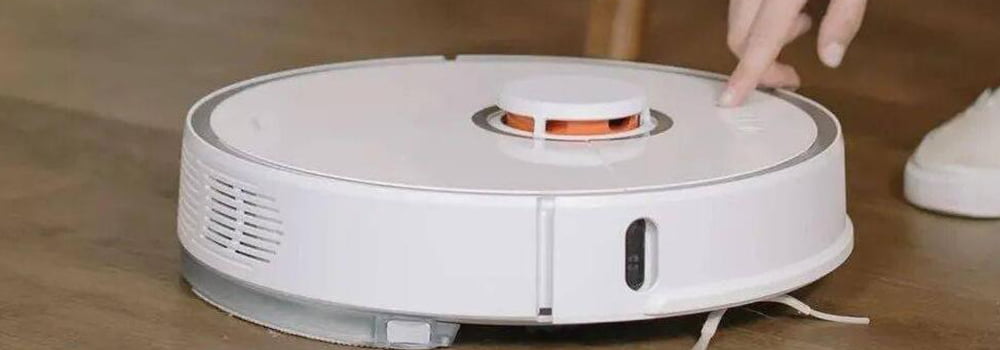
Robot vacuum cleaners are small helpers for modern home cleaning, and with the continuous advancement of technology, they are becoming increasingly intelligent. The dust sensor, as an important component, can enhance the robot's perception of the environment, respond quickly to the amount of dust on the floor, and adjust the cleaning strategy.
But does a robot vacuum cleaner necessarily have a dust sensor installed?
The answer is not necessarily.
So, what are the differences between a robot vacuum cleaner equipped with a dust sensor and one without? Let's list them one by one:
First is the robot vacuum cleaner with a dust sensor. These models can autonomously detect dust and debris while working, actively increasing or decreasing cleaning intensity or changing routes to perform deep cleaning in areas with heavy dirt. The benefits include:
● Improved cleaning efficiency: Avoid repeating work in areas already cleaned, saving time and battery power.
● Dynamic response: Real-time adjustment of working modes based on the detected pollution level to ensure cleaning quality.
● Intelligent reporting: Able to provide feedback to users on which areas of the home are more prone to dust accumulation, potentially indicating a need for special attention or cleaning.
In contrast, robot vacuum cleaners without dust sensors often rely only on preset cleaning paths and modes to operate, unable to make adjustments based on specific situations. Their limitations are mainly reflected in:
● Uniform cleaning intensity: Using the same cleaning intensity for all areas, even if some areas do not need it.
● Potential need for manual intervention: In some cases, if there are areas that require focused cleaning, users may still need to set them manually or handle them afterwards.
● Efficiency consistency: The working mode will not change due to different environments, failing to achieve truly intelligent operation.
In summary, robot vacuum cleaners with dust sensors are superior to models without sensors in terms of intelligence, flexibility, and efficacy. However, the addition of sensors often means higher costs. When purchasing, users need to make a choice based on their cleaning needs, budget, and actual requirements for intelligence. Regardless, with the advancement of technology, even robot vacuum cleaners without dust sensors are gradually improving their cleaning efficiency and user experience to meet users' basic needs for home cleaning.
