

Technical Support:
158-7527-1139

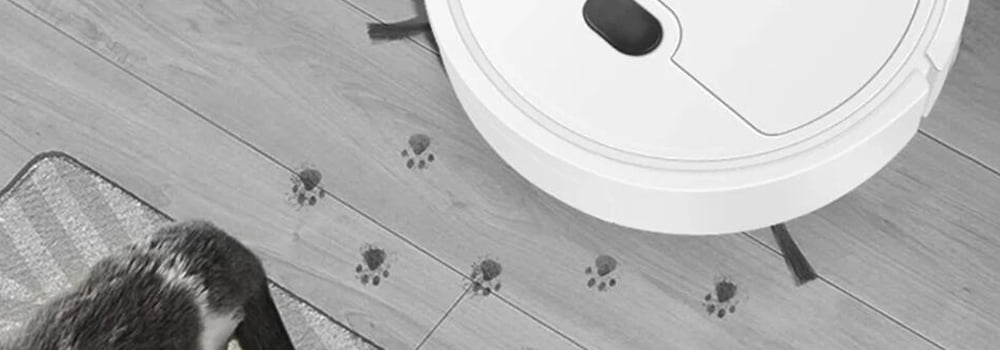
A robot vacuum cleaner is a smart home device that can automatically clean floors. In order to improve cleaning effectiveness, robot vacuum cleaners are usually equipped with dust sensors to perceive the level of floor contamination.
So, when choosing a dust sensor suitable for a robot vacuum cleaner, what factors should be considered?
First, it is important to know that in the current sensor market, there are two types of dust sensors available for robot vacuum cleaners:
● Optical dust sensors: Use a light beam to illuminate the floor and calculate the floor dust concentration based on the amount of light scattering.
● Capacitive dust sensors: Use the influence of floor dust on air capacitance to calculate floor dust concentration.
Optical dust sensors have the advantages of high precision and fast response speed, but they are more expensive. Capacitive dust sensors have the advantage of lower cost, but their precision and response speed are relatively poor.
Therefore, when choosing a dust sensor suitable for a robot vacuum cleaner, we can start with the following points:
● Sensitivity and Accuracy: The robot vacuum cleaner needs to be able to accurately detect and measure dust and particles on the floor. Therefore, the sensitivity and accuracy of the dust sensor are crucial. Choosing a sensor with high sensitivity and precise measurement capabilities can more effectively control the robot cleaning process.
● Size and Weight: For robot vacuum cleaners, size and weight are usually important considerations. Sensors need to be lightweight and compact so they can be integrated into the robot design without adding extra burden or taking up too much space.
● Anti-interference Capability: Robot vacuum cleaners often work in different environments, so sensors need to have good anti-interference capabilities. They should be able to maintain stable performance on various floor types and dust densities, avoiding false alarms or failure.
● Self-cleaning and Maintenance: Consider choosing sensors that can clean themselves or have fewer maintenance requirements. This helps ensure long-term stable performance and reduces the time and effort required for robot maintenance.
● Wireless Connection and Integration: It is best for dust sensors to be able to connect wirelessly and have good integration so that they can easily communicate and interact with the robot vacuum cleaner control system, achieving real-time data transmission and cleaning control.
In summary, a dust sensor suitable for a robot vacuum cleaner needs to have high sensitivity, be compact and lightweight, have strong anti-interference capabilities, be easy to maintain, and integrate well with the robot control system. Choosing the right sensor will provide reliable dust detection and cleaning capabilities for the robot vacuum cleaner, improving its working efficiency and cleaning effect.
