

Technical Support:
158-7527-1139

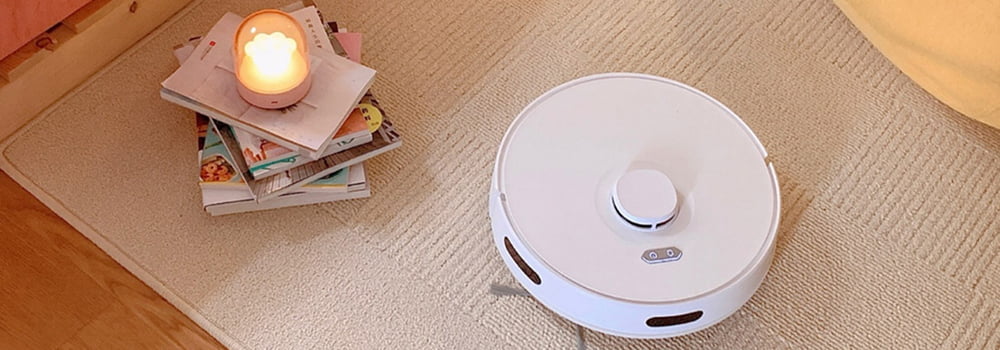
Robot vacuum cleaners often rely on dust sensors during the cleaning process to detect and locate areas that need cleaning. However, do these sensors use laser technology or infrared technology?
Laser sensors are currently the most commonly used dust sensors in robot vacuum cleaners. The working principle of a laser sensor involves using a laser beam to illuminate the ground and calculating the dust concentration based on the amount of scattered light. It has the following advantages and disadvantages:
Advantages:
● High precision and high sensitivity
● Can measure the concentration distribution of dust on the floor
● Unaffected by ambient light
Disadvantages:
● High cost
● Large physical size

Infrared sensors are another commonly used dust sensor in robot vacuum cleaners. The working principle of an infrared sensor involves using infrared light to illuminate the ground and calculating the dust concentration based on the amount of reflected light. It has the following advantages and disadvantages:
Advantages:
● Low cost
● Small physical size
Disadvantages:
● Accuracy is lower than that of laser sensors
● Sensitivity is lower than that of laser sensors
● Affected by ambient light

In practical applications, the choice of which type of dust sensor a robot vacuum cleaner uses depends on specific needs.
If high precision and sensitivity are required for the dust sensor, then laser sensors can be chosen. If cost and size constraints are the priority, then infrared sensors are a better option.
Currently, high-end robot vacuum cleaners mostly use laser sensors, while entry-level to mid-range robot vacuum cleaners primarily utilize infrared sensors.
