

Technical Support:
158-7527-1139

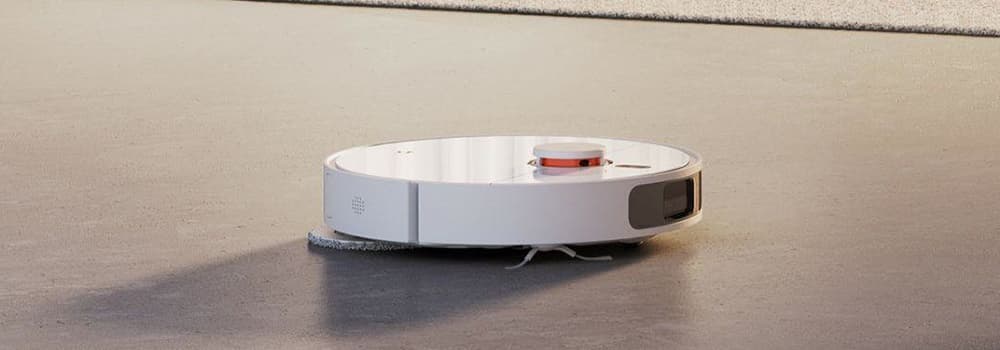
In today's busy life, robot vacuums have become ideal home assistants for many. However, to ensure your robot vacuum can clean efficiently, choosing a product equipped with an excellent dust sensor is crucial.
A dust sensor is a core component that detects the degree of dust and dirt on the floor, guiding the robot's cleaning path and intensity. But how can you judge its quality?
● Accuracy: Higher accuracy allows for better identification of floor contamination levels. Generally, more accurate sensors come at a higher price.
● Sensitivity: This determines how keenly the sensor perceives dust. Excessive sensitivity may cause over-cleaning, while low sensitivity leads to incomplete cleaning.
● Response Speed: A faster response allows the robot to react in real-time. Slow response speeds may result in failure to accurately map contaminated areas.
● Anti-interference Ability: Stronger resistance to environmental factors ensures the reliability of detection results.
Additionally, consider the sensor type. Common dust sensors include Infrared, Laser, and Ultrasonic types. Infrared sensors are cost-effective but lower in precision; Laser sensors offer high precision and sensitivity at a higher cost; Ultrasonic sensors have strong anti-interference but require specific dust concentrations to be effective.
When purchasing, evaluate based on your specific needs—such as pet ownership or lighting conditions. We recommend checking technical specifications, physical demos, and user reviews before buying.
