

Technical Support:
158-7527-1139

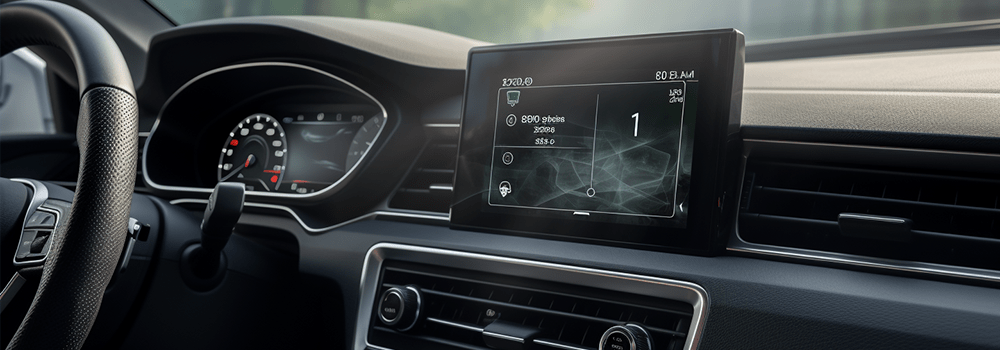
Automotive dust sensor is an advanced environmental monitoring tool, specifically designed to detect and analyze dust particulate matter in the air. They are typically integrated into the air purification systems of modern vehicles, playing an important role in enhancing the driving experience and protecting the environment.
These sensors usually utilize optical or electrochemical principles to accurately detect fine particles in the air. Optical sensors use light scattering and absorption properties to estimate particulate matter concentration, while electrochemical sensors measure by analyzing the current from the reaction between particulate matter and electrodes.
Automotive dust sensors are capable of detecting a variety of particulate matter, including:
● PM2.5: Fine particulate matter with a diameter less than or equal to 2.5 micrometers, which can enter deep into the lungs and has a significant impact on human health.
● PM10: Particulate matter with a diameter less than or equal to 10 micrometers. Although these larger particles do not easily enter the alveoli, they can still affect the human respiratory system.
● Smoke/Soot: Particulate matter produced by combustion, including black carbon and organic matter particles.
● Pollen: For allergic populations, monitoring pollen particles is particularly important, and they can be filtered through the vehicle's air filtration system.
● Road Dust: Dust generated by road travel, mainly originating from soil, worn tires, and brake pads.
In addition to monitoring air quality, automotive dust sensors are also closely integrated with the vehicle's air circulation system. By monitoring external air quality in real-time, the sensor can control whether the vehicle's air conditioning system introduces outside air or recirculates internal air, thereby ensuring the comfort and health of the occupants.
Meanwhile, data from these sensors can also be used for vehicle maintenance, alerting the driver when the air filter needs to be replaced to maintain filtration effectiveness.
As automakers place more emphasis on environmental protection and driver health, more advanced monitoring and control technologies are expected to be applied to future vehicles. The application of automotive dust sensors is an important step toward a cleaner and smarter automotive environment.
By comprehensively utilizing high-tech automotive dust sensors, it is possible not only to improve people's awareness of air quality but also to promote the environmental development of the automotive industry, reduce the environmental impact of vehicles, and make a positive contribution to creating a healthier and more sustainable living environment.
