

Technical Support:
158-7527-1139

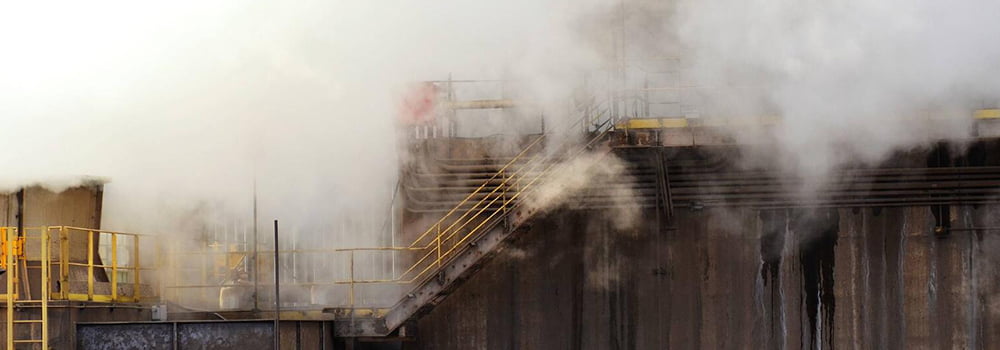
Dust is a source of pollution that we often overlook in our daily lives. However, its hazards to human health and the environment cannot be ignored. In this article, we will take an in-depth look at what dust is and how to detect dust concentration in the air. We will also introduce dust sensors and how they help us monitor and mitigate dust hazards.
What is Dust?
Dust consists of small particulate matter suspended in the air. These particles can originate from various sources, including industrial processes, road traffic, construction sites, and natural phenomena such as sandstorms. The size and composition of dust particles vary, ranging from fine particulates to larger grains.
Hazards of Dust
Dust not only affects air quality but also has serious impacts on health and the environment. Here are the main aspects of dust hazards:
● Health Risks: Exposure to high concentrations of dust can lead to respiratory diseases such as asthma, Chronic Obstructive Pulmonary Disease (COPD), and lung cancer. Fine particulate matter (PM2.5) can also enter the bloodstream, posing risks to the cardiovascular system.
● Occupational Health: Certain industries, such as coal mining, construction, metal processing, and agriculture, are more susceptible to dust exposure. Long-term contact can cause occupational diseases like pneumoconiosis.
● Environmental Pollution: Once released into the atmosphere, dust can negatively affect ecosystems and water resources. It also reduces visibility, affecting traffic safety.

How to Detect Dust Concentration
To address dust hazards, monitoring concentration levels is vital. This is achieved using dust sensors. A dust sensor is an electronic device capable of measuring particle concentration and transmitting data to a monitoring system, allowing for the timely identification of pollution sources.
The working principle of a dust sensor is typically based on light scattering or light absorption technology. They emit light beams and measure the degree of scattering or absorption by particles to calculate concentration. These sensors offer high precision and real-time monitoring capabilities.
Importance of Dust Sensors
Dust sensors play a critical role in various fields:
● Industrial Applications: Helping to monitor and control emissions to ensure workplace safety and environmental compliance.
● Air Quality Monitoring: Ensuring public health and safety in urban and regional areas.
● Occupational Health: Assisting employers in monitoring exposure levels to reduce occupational health risks.
● Scientific Research: Helping researchers understand dust distribution to improve environmental protection measures.
Dust hazards should not be underestimated. By using dust sensors, we can better control concentrations and create a healthier, safer environment. Protecting air quality is a responsibility we all share.
