Technical Support:
158-7527-1139


As people's pursuit of quality life continues to upgrade, more and more families are focusing on indoor air quality and adopting smart home devices to monitor and improve their indoor environment. However, some families frequently face the issue of dust sensors triggering alarms, which can be quite bothersome. In this case, we need to explore whether the sensor has failed, whether there is a serious dust problem at home, and how to solve this issue effectively.
First, when a home dust sensor alarms frequently, we must consider potential issues with the sensor itself. Calibration or replacement might be necessary to ensure accuracy. If the sensor is confirmed to be functioning correctly, then we must seriously consider the possible reasons for excessive indoor dust.
If the sensor is not at fault, identifying the root cause of excessive indoor dust becomes essential. After all, dust contains large amounts of bacteria, viruses, mites, and other harmful substances that can trigger respiratory and allergic diseases. For groups with weaker immunity, such as children and the elderly, the hazards of dust are even greater.
Generally, the causes of excessive indoor dust include the following:
● Outdoor Environmental Pollution: If outdoor air quality is poor, particulates like dust and pollen can enter indoors with the wind, increasing indoor dust levels.
● Indoor Renovation Pollution: Newly renovated houses or furniture may contain formaldehyde, benzene, and other harmful substances that adsorb onto dust particles, posing a health risk.
● Inadequate Indoor Cleaning: If cleaning is not done promptly, dust will continue to accumulate, leading to excessive levels.
● Pets or Smoking: Keeping pets or having smokers in the house will also increase the concentration of indoor dust.
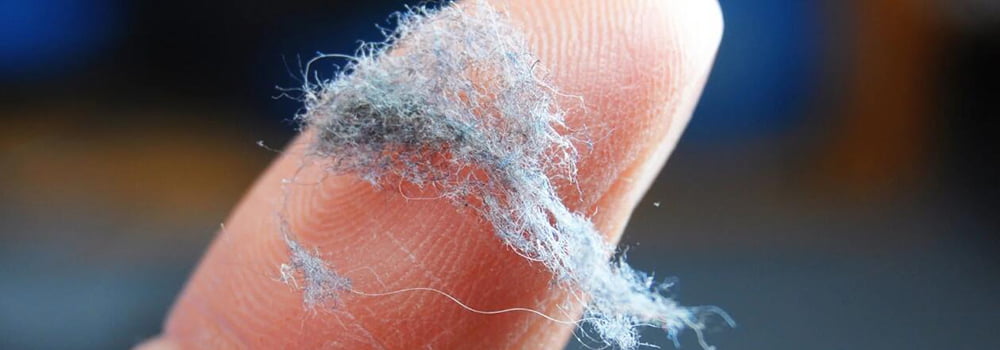
After understanding the causes of excessive indoor dust, the next step is to find ways to solve the problem. The following measures are suggested:
● Maintain Indoor Cleanliness: Regularly clean the interior, use a vacuum cleaner to remove dust, and pay attention to wiping furniture surfaces.
● Control Outdoor Pollution: Close doors and windows, or use air purifiers to reduce the entry of outdoor pollutants.
● Reduce Indoor Pollution Sources: Choose eco-friendly renovation materials and try to avoid furniture containing formaldehyde or benzene.
● Manage Pets and Smoking: If you have pets, clean pet hair regularly; try to avoid smoking indoors.
In summary, when a home dust sensor frequently alarms, we need to comprehensively consider both sensor issues and the potential causes of excessive indoor dust. By taking corresponding measures, you can effectively improve indoor air quality and create a fresh and comfortable home environment for your family's health.