

Technical Support:
158-7527-1139

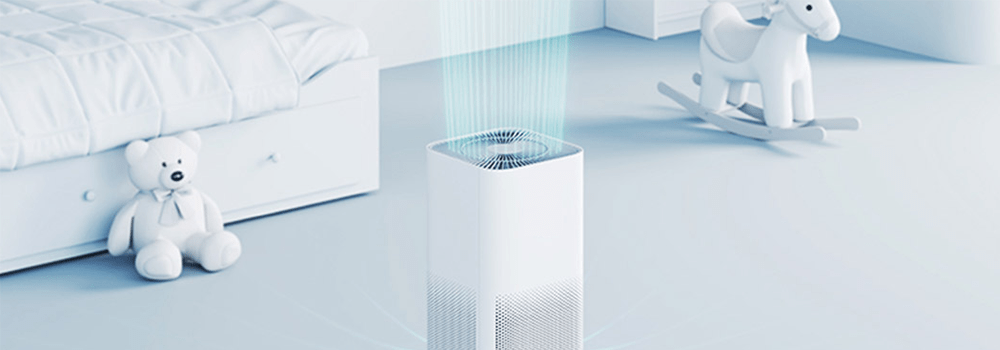
With the increasing severity of air pollution, air purifiers have become common devices in many homes and office environments. The main role of an air purifier is to remove dust, harmful gases, bacteria, and other pollutants from indoor air, thereby improving air quality. However, a key question surrounding air purifiers is: can they really effectively purify indoor air? At the same time, will these devices cause secondary pollution?
First, the working principle of an air purifier is based on filtration and purification technologies. Most air purifiers are equipped with HEPA (High-Efficiency Particulate Air) filters, which can capture and remove tiny particles in the air, such as dust, pollen, smoke, and bacteria. Many high-end models are also equipped with activated carbon filters that can adsorb harmful gases and odors. In theory, these technologies can indeed significantly improve indoor air quality.
However, the effectiveness of an air purifier is also affected by various factors, including the type of device, the environment in which it is used, and regular maintenance. Some studies show that even when using an air purifier, if there is a continuous generation of new pollutants indoors, the purification effect of the air purifier will be limited. Furthermore, if the filter of an air purifier is not replaced or cleaned regularly, it may become a breeding ground for bacteria and mold, thereby causing secondary pollution.
Secondary pollution mainly refers to new pollutants that may be generated during the purification process of an air purifier, such as ozone and formaldehyde. In particular, some air purifiers using negative ion technology may produce trace amounts of ozone, which, although usually below safety standards, may still affect health upon long-term exposure. Therefore, when choosing an air purifier, one should consider whether it complies with national safety standards and pay attention to regularly replacing or cleaning the filter.
Overall, air purifiers can indeed improve indoor air quality to a certain extent, especially for allergy and asthma sufferers, for whom they can provide obvious benefits. However, users should also be aware of the limitations of these devices and the potential risk of secondary pollution. To ensure that the air purifier works effectively and safely, it is important to choose the appropriate equipment, use it correctly, and strictly follow maintenance guidelines.
