

Technical Support:
158-7527-1139

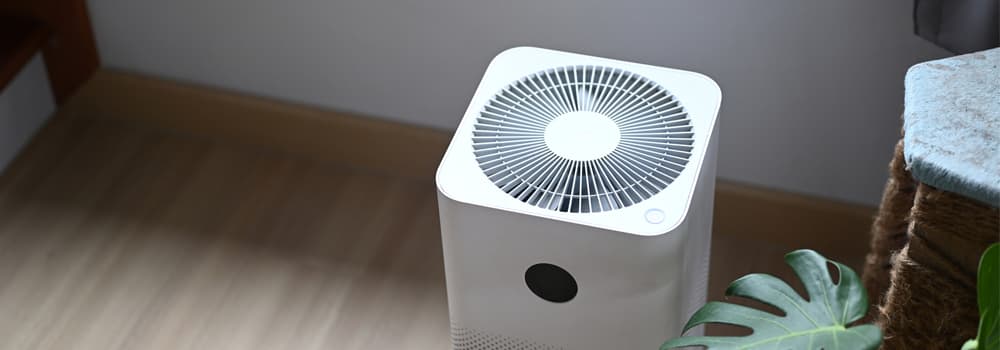
In today's urban environments, air quality issues are becoming increasingly serious, especially micro-particulate matter such as PM2.5, which poses a significant threat to our health. Many people choose to use air purifiers to improve indoor air quality. However, sometimes indoor air quality remains unsatisfactory even when the air purifier is constantly running. What should we do in such cases?
First, we need to understand the working principles and limitations of air purifiers. Air purifiers capture particles and pollutants through filters, but their effectiveness is influenced by various factors, such as filter quality, machine usage frequency, and indoor air circulation. If indoor PM2.5 levels remain high, it could be due to several reasons:
● Filters need replacement or cleaning: After long-term use, the purifier's filter may become clogged, leading to decreased efficiency. Regularly checking and replacing or cleaning the filter is necessary.
● Poor indoor air circulation: If indoor air circulation is stagnant, it is difficult to thoroughly purify the air even with an air purifier. Consider opening windows regularly for ventilation or using fans to promote circulation.
● Indoor source pollution: Indoor air pollution may originate from cooking fumes, tobacco smoke, or harmful gases released by furniture and renovation materials. Identifying and reducing these pollution sources is key to improving air quality.
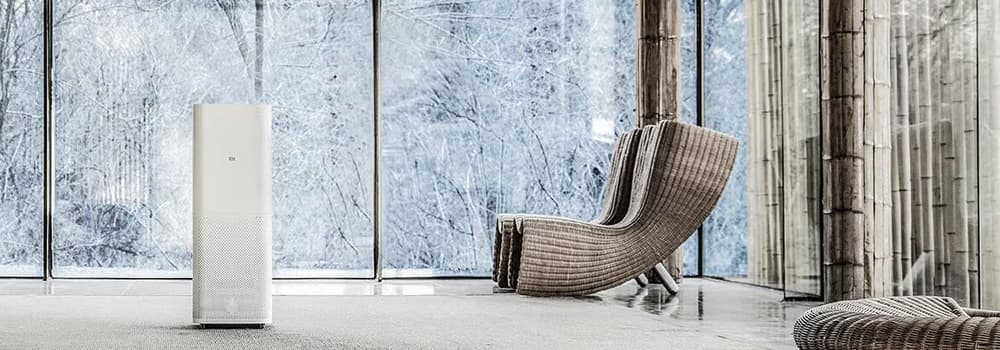
How should we coordinate the use of an air purifier to enhance indoor air quality?
1. Choose the right air purifier: Not all air purifiers can effectively remove PM2.5. Select a purifier with a High-Efficiency Particulate Air (HEPA) filter, which can more effectively capture micro-particles.
2. Correct use and placement of the air purifier: Ensure the air purifier is placed in a suitable location, such as away from walls and pollution sources, and ensure the room size matches the purification capacity of the device.
3. The role of indoor plants: Some indoor plants, such as spider plants and lilies, can help purify the air. Although their impact on PM2.5 is limited, they can improve overall indoor air quality.
4. Regular monitoring of indoor air quality: Use an air quality monitor to check indoor air regularly, specifically PM2.5 levels, to evaluate the effectiveness of air purification.
5. Overall lifestyle changes: Reducing indoor smoking, cleaning the home regularly, and avoiding cleaning products that release harmful chemicals all contribute to improved indoor air quality.
In summary, relying solely on an air purifier may not be enough to completely solve the problem of poor indoor air quality. By combining the methods mentioned above, we can more effectively improve the air quality in our homes, creating a healthier and more comfortable living environment. Through a comprehensive approach, we can ensure that we and our families stay away from the threat of PM2.5 and other air pollutants, enjoying purer indoor air.
