

Technical Support:
158-7527-1139

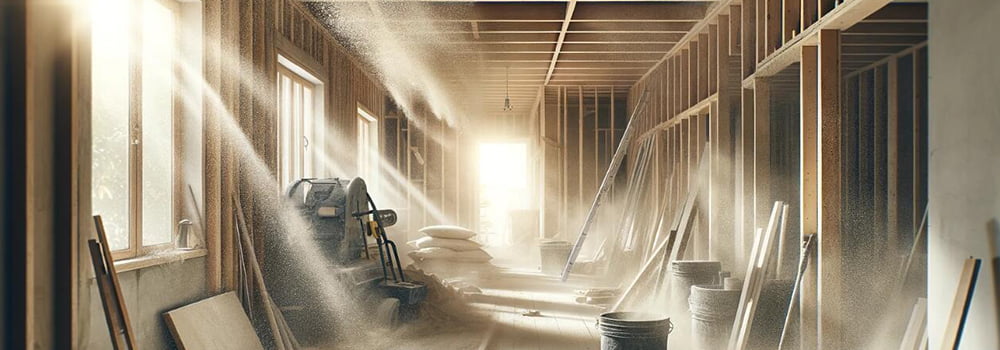
When we are carrying out interior decoration, it is inevitable that a large amount of dust and harmful substances will be produced. These particulate matters not only pose a threat to our respiratory system but also affect the comfort and safety of the living environment if accumulated over a long period. In recent years, with the development of technology and people's pursuit of a healthy life quality, more and more families have started to install dust sensors indoors to monitor air quality in real-time. Through the data from these sensors, we can clearly see the generation of dust during the renovation process and its impact on indoor air quality. So, faced with dust after renovation, how should we effectively remove it to ensure a healthy and fresh living environment?
First, we need to understand the main sources of decoration dust. During the renovation process, whether it is sanding walls, cutting materials, or mixing paint and other chemicals, a large amount of fine particulate matter will be produced. These particles include, but are not limited to, wood dust, fine metal particles, and even harmful chemical residues. Therefore, the first step in removing this dust is to take measures during the renovation process to reduce its generation. Using enclosed work areas, wet cutting techniques, and high-efficiency dust collection equipment are all excellent methods.
Secondly, cleaning after the completion of renovation is a key step in removing dust. This step needs to be detailed and thorough, including but not limited to the following aspects:
● Thorough Sweeping and Vacuuming: Use a vacuum cleaner with high-efficiency filtration to thoroughly vacuum all surfaces, including floors, walls, ceilings, and all furniture and decorations. In particular, those hard-to-see corners and crevices need more careful cleaning.
● Wet Wiping and Scrubbing: After vacuuming is complete, use a damp cloth to wipe down all hard surfaces. For painted and wooden surfaces, appropriate cleaners can be used to help remove stubborn stains and residual dust.
● Ventilation and Air Purification: Opening windows to let fresh air circulate is an effective way to remove odors and particulate matter after renovation. At the same time, you can use air purifiers, especially those equipped with HEPA filters, which can effectively filter out particles of 0.3 microns and larger.
● Professional Cleaning Services: Considering the complexity and professionalism of post-renovation cleaning, hiring a professional cleaning team for deep cleaning is also a good choice. They have professional tools and experience to clear dust and other pollutants more effectively.
Finally, maintaining a clean living environment is an ongoing process. Post-renovation cleaning is just the beginning; regular cleaning and air quality monitoring are key to keeping indoor air fresh. By installing and using dust sensors, we can not only monitor air quality in real-time but also adjust cleaning and ventilation strategies as needed to ensure the health and comfort of our families.
In summary, by taking preventive measures during renovation, performing thorough cleaning afterward, and continuing indoor air quality monitoring and maintenance, we can effectively remove post-renovation dust and create a healthy, fresh living environment.
