

Technical Support:
158-7527-1139


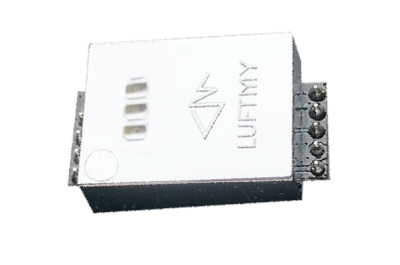
The DM744 is a real-time monitoring sensor for R744 (CO2) refrigerant leaks. It utilizes patented technology to ensure high reliability and resistance to aging.
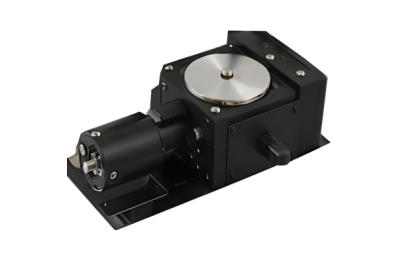
The LD5100 uses optical scattering to precisely detect suspended particles. It outputs counts for 5 different particle sizes (pcs/28.3L) with error values meeting JJF1190 requirements.
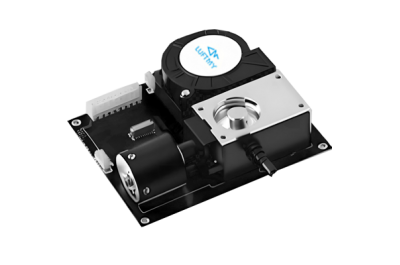
The LD5000 is an optical scattering sensor that accurately calculates the number of particles across six channels. Its efficiency meets the JJF 1190-2008 calibration standards for dust particle counters.
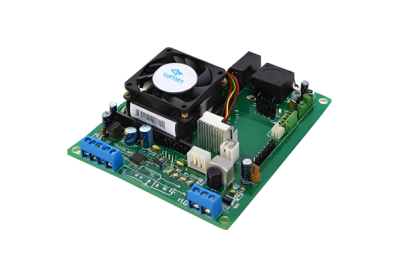
The LD1050 laser particle counter sensor utilizes an industrial-grade long-life laser and automotive-grade turbine fan to ensure stable, reliable, and precise output of particle counts. It uses RS485 communication for long-distance transmission.
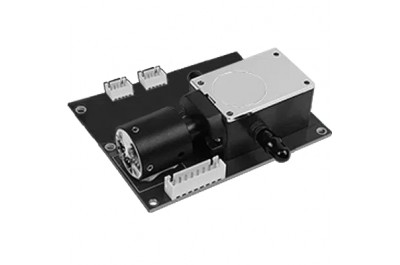
The LD3003 laser dust particle counter sensor is based on optical scattering principles to accurately detect the number of suspended particles of different sizes per unit volume. It outputs 6 channels of data simultaneously, meeting JJF1190-2008 calibration standards.
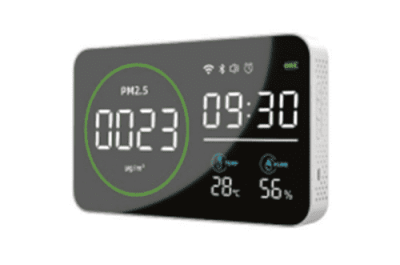
M1000: Automatically sets appropriate display brightness according to ambient light, suitable for more application scenarios. Can be hung using M4 screws.
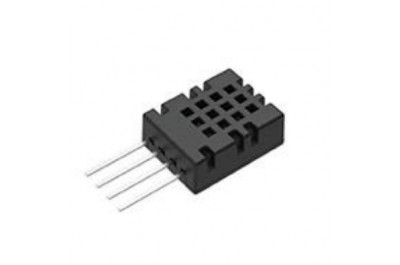
The MTHO3A module based on MEMS gas-sensing elements is used to test ambient temperature, humidity, and harmful substance content in the air. Test data is communicated via I²C or UART interface. The MEMS element surface can be protected with a filter membrane. The air quality sensor module can select plug-in or SMT assembly as needed.
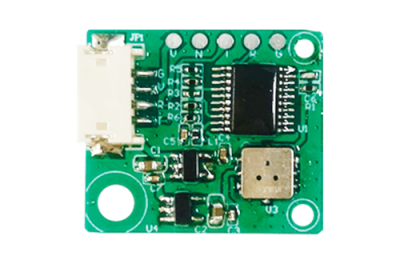
The semiconductor LD-VOC series air quality module adopts advanced semiconductor gas-sensing elements. This sensor has extremely high sensitivity to organic volatile gases such as formaldehyde, benzene, carbon monoxide, ammonia, hydrogen, alcohol, and cigarette smoke. The module is aged, debugged, and calibrated, featuring excellent consistency and high sensitivity.
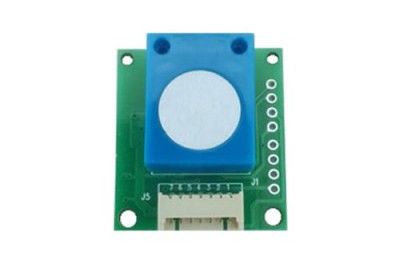
The MNH3 electrochemical ammonia sensor module is a general-purpose, miniaturized module. It uses electrochemical principles to detect NH3 in the air, offering good selectivity and stability. Built-in temperature sensor for temperature compensation; features both digital and analog voltage outputs for ease of use. The MNH3 combines mature electrochemical detection technology with sophisticated circuit design. Mainly applied in air quality monitoring for residential waste stations, incineration stations, public toilets, sewers, and industrial environments.
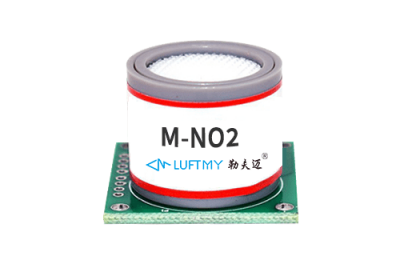
The MNO2 electrochemical nitrogen dioxide module is a general-purpose, miniaturized module. It uses electrochemical principles to detect NO2 in the air, offering good selectivity and stability. Built-in temperature sensor for temperature compensation; features both digital and analog voltage outputs for ease of use. The MNO2 module combines mature electrochemical detection technology with sophisticated circuit design to create a general-purpose gas module. Mainly used in air quality monitoring for waste incineration stations, highway livelihood environments, and industrial environments.
