

Technical Support:
158-7527-1139

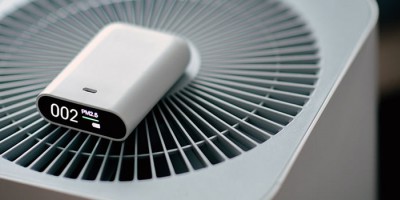
Globally, air pollution has become an increasingly serious problem, particularly regarding PM2.5—tiny particulate matter with a diameter of 2.5 microns or less. Because of their microscopic size, these particles can penetrate deep into the human lungs and even enter the bloodstream, posing a serious threat to health. In indoor environments, excessive PM2.5 levels are especially concerning as they not only degrade air quality but can also cause long-term harm to residents’ health.

In recent years, with people increasingly valuing health and quality of life, indoor air quality has become a hot topic. Many have begun to pay attention to indoor air quality issues, but why exactly do we need to focus on it so much? Are indoor air problems really that severe?
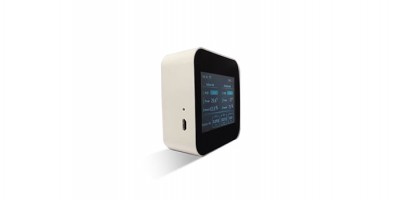
In today’s era of health-conscious living, the importance of indoor air quality is increasingly prominent. Good indoor air quality has a direct impact on our health and quality of life. Consequently, more families are focusing on how to monitor and improve indoor air quality. Air quality monitors have become an important household tool to help us understand the air conditions in our homes. However, with the wide variety of monitors available on the market with different functions, how do you choose the one best suited for your home? Here are some key factors to consider.

In daily life, we often rely on visual observation to judge the cleanliness of our homes. A common saying is, "I can't see any dust on my desk or windows, so my room is clean and dust-free." But is that really the case?

In modern family life, home renovation is not only a pursuit of quality of life but also a way to reflect personality and taste. However, with the popularization of air sensors in homes, we have gradually realized a problem that cannot be ignored brought by renovation—a significant decline in indoor air quality. Harmful substances released by many renovation materials, such as formaldehyde, benzene, and volatile organic compounds (VOCs), pose a potential threat to health. So, while pursuing aesthetics, how can we ensure our home environment is healthy and the air is fresh? This article will explore some strategies to reduce the impact of renovation on indoor air quality.

Imagine coming home every day and being greeted by a wave of fresh air; this is not only a pleasure but also a healthy lifestyle. We often discuss how to keep indoor air fresh, but you might have questions: "How often should I ventilate indoors?" or "Does opening windows for ventilation really help remove dust?" Don't worry, the content below will reveal these little ventilation secrets for you.

In the face of current environmental pollution and health problems, monitoring indoor air quality is particularly important. Especially indoor dust, those tiny particles that may cause damage to the respiratory system, needs to be monitored through effective tools. This article will explore various tools used for indoor dust monitoring and provide practical application strategies.

When discussing home health and quality of life, indoor air quality is a factor that cannot be ignored. Many people may not immediately think of it, but daily cooking activities, especially the process of using gas stoves and frying food, may actually significantly affect indoor air quality. So, how exactly does cooking lead to poor indoor air quality?

Formaldehyde is a common indoor air pollutant, especially after purchasing new furniture and performing indoor renovations. Due to its potential risk to human health, understanding how to effectively monitor and remove formaldehyde from furniture has become particularly important.

When studying indoor air quality, we often notice an interesting phenomenon: compared to the daytime, the CO2 concentration in a room often increases significantly at night. This phenomenon not only affects sleep quality but may also have potential negative effects on human health.

In the study of indoor air quality, CO2 concentration is an important indicator. Although CO2 is a naturally occurring gas in the atmosphere, its elevated concentration in enclosed or poorly ventilated indoor environments can have negative effects on human health. Therefore, understanding the safe concentration range of indoor CO2 and identifying possible danger levels is crucial for maintaining good indoor air quality.

In daily life, maintaining a clean and healthy living environment is vital for our health. As a common problem in the indoor environment, dust not only affects air quality but can also lead to respiratory diseases and allergic reactions. Therefore, understanding how to judge if your room has dust and taking corresponding control measures is key to ensuring indoor air quality and a healthy life. Here are some effective methods to judge and control room dust:
