

Technical Support:
158-7527-1139

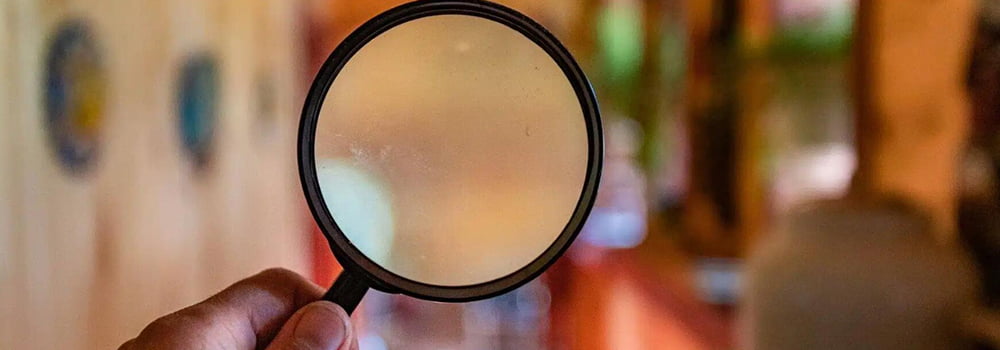
In daily life, we often rely on naked-eye observation to judge the cleanliness of our homes. Common sayings include, “I can't see dust on my table and windows, so my room is clean and dust-free”. But is that really the case?
In fact, this statement is inaccurate. The amount of indoor dust cannot be fully judged by the naked eye alone. Dust consists of more than just the particles we can see; it also includes various microscopic substances such as bacteria, skin dander, pollen, and pet dander, all of which are invisible to the naked eye.
How then should we judge indoor dust conditions? Here are several effective methods:
● Use a Dust Sensor: To scientifically understand the true state of indoor dust, a dust sensor can be used to monitor the concentration of fine particles in the air. These devices can detect micro-dust invisible to the naked eye, providing more accurate indoor Air Quality information.
● Regular Deep Cleaning: Although furniture surfaces may look clean, large amounts of dust can still hide in sofa crevices, carpets, and curtains. Regularly using a vacuum cleaner for deep cleaning can effectively remove this hidden dust.
● Check Filters and Ventilation Systems: If air conditioning and ventilation system filters are not cleaned or replaced frequently, they will accumulate large amounts of dust, thereby affecting the Air Quality of the entire room.
● Observe Allergic Reactions: If someone in the home experiences allergic reactions, such as frequent sneezing, a runny nose, or itchy eyes, it may be a sign of high indoor dust levels.
In summary, judging whether an indoor space is truly clean requires looking beyond what the naked eye can see. Assessing indoor dust involves not only visible dirt and particles but also those microscopic substances invisible to the eye. With the assistance of dust sensors and regular deep cleaning, we can more accurately evaluate and manage indoor dust levels, creating a healthier and more comfortable living environment for ourselves and our families.
