Technical Support:
158-7527-1139

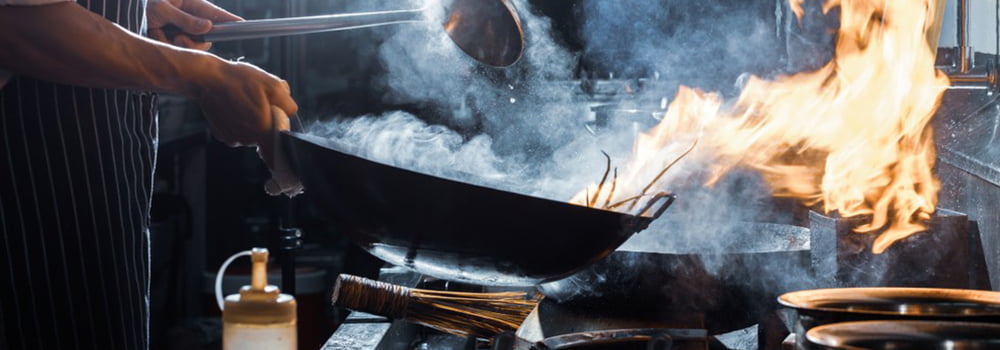
When discussing family health and quality of life, indoor air quality is a factor that cannot be ignored. Many people might not think of it immediately, but daily cooking activities, especially using gas stoves and deep-frying food, can actually significantly affect indoor air quality. So, how exactly does cooking lead to poor indoor air quality?
First, we need to understand the pollutants generated during the cooking process. The most common pollutants include:
● Particulate Matter (PM): The smoke produced during cooking contains a large amount of tiny particulate matter, which can penetrate deep into the lungs; long-term exposure may lead to respiratory problems.
● Volatile Organic Compounds (VOCs): Using certain types of cooking oils and high-temperature cooking releases VOCs, which may have long-term effects on human health.
● Carbon Monoxide and Carbon Dioxide: The use of gas stoves produces these gases; especially in poorly ventilated environments, their accumulation may pose a threat to health.
● Nitrogen Oxides: Gas combustion also produces nitrogen oxides, which can exacerbate asthma and other respiratory issues.
Having understood the pollutants that cooking can produce, let’s explore how they affect indoor air quality. In a closed kitchen environment, these pollutants can accumulate rapidly, especially during long periods of cooking or when using improper ventilation systems. These pollutants not only affect the air quality within the kitchen but may also spread throughout the entire residence, particularly in modern, tightly sealed residential designs.
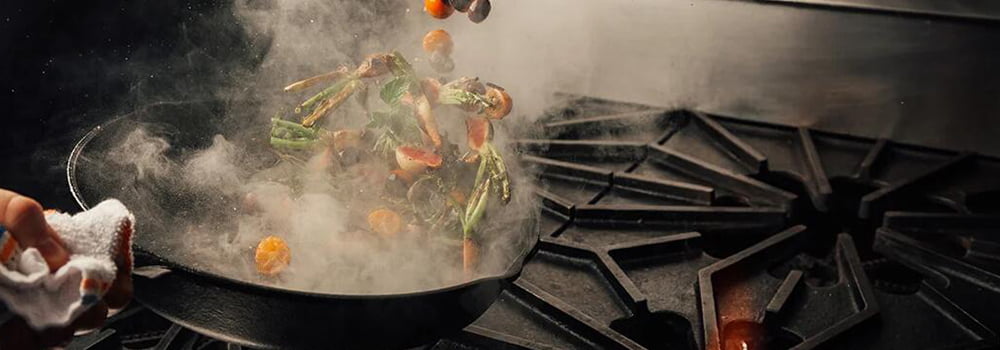
So, how can we reduce the negative impact of cooking on indoor air quality? Here are some practical suggestions:
● Improve kitchen ventilation: Using exhaust fans or opening windows for ventilation can help expel pollutants produced by cooking and reduce their accumulation indoors.
● Use electric stoves instead of gas stoves: Electric stoves typically produce fewer pollutants than gas stoves.
● Control cooking temperature: Avoid excessively high cooking temperatures, as high heat is more likely to generate more particulate matter and VOCs.
● Regular cleaning: Keeping the kitchen clean can reduce the accumulation of grease and dust, which might be reheated during cooking and produce more pollutants.
● Use air purifiers: Efficient air purifiers can help remove particulate matter and other pollutants from indoor air.
While cooking is an indispensable part of our daily lives, we must also clearly understand the impact this activity has on indoor air quality. Therefore, in addition to taking the measures mentioned above, we also need to install gas sensors indoors to monitor indoor air quality in real-time. This allows us to enjoy the fun of cooking while protecting our families from the effects of indoor air pollution.