Technical Support:
158-7527-1139

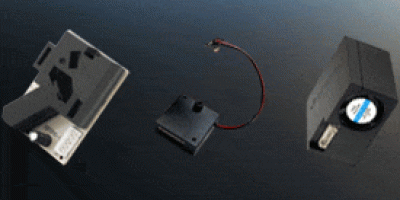
Suspended particles in the air are dust. If the content of these suspended particles is high, it causes air pollution. The various substances contained in these dust particles can affect human health. Dust particles can generally be classified into Total Suspended Particulates (TSP), Inhalable Particulate Matter (PM10), and Fine Particulate Matter (PM2.5). Below is an introduction to the differences and relationships between these three types of particles.

PM2.5 refers to suspended dust particles in the air with a diameter of about 2.5 microns, also known as fine particulate matter. Because of their small diameter, they easily accumulate in the lungs after entering the human body and cause harm. The PM2.5 content in the air is usually detected through PM2.5 sensors.
With the intensification of air pollution, more and more families are concerned about indoor air quality, as people spend most of their time indoors. Portable PM2.5 detectors are specialized instruments for detecting the concentration of inhalable particulate matter in the air. Many households are equipped with such instruments because they are simple and convenient, can measure indoor air quality at any time, and can also be used to evaluate the purification efficiency of air purifiers.
Dust sensors detect particulate matter concentration in the air and can detect particles with a diameter greater than 0.5 microns. Using the principle of light scattering, they detect the concentration of particulate matter in the air and output digital data. PM2.5 refers to particles with a diameter up to 2.5 microns; since these particles enter the human lungs and can cause various lung and vascular diseases, filtering PM2.5 has a significant impact on human health.
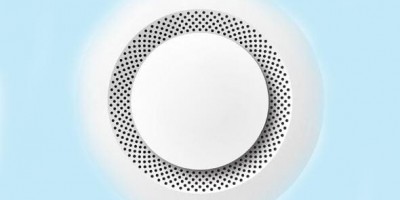
With the development of social technology, people's safety awareness is constantly improving. In modern residences or public places, installing various fire safety equipment is essential, with preventive types being the most common. Smoke alarms are the most common safety equipment in fire prevention, generally composed of a smoke sensor and a smoke detection chip.
Testing The market popularity of air purifiers has grown significantly in the past two years with good development prospects, mainly due to socio-economic development, increasing urban pollution, and people's pursuit of a healthy, quality life. For various categories of air purifiers or similar products, the basic principle can be divided into three steps: detection, purification, and release. This means the purifier detects pollutants in the indoor air, filters and purifies them, and finally discharges the filtered, pollutant-free air to achieve the effect of purifying the air.

Haze appears repeatedly and persists for long periods. While we complain about it, have you ever considered how much you would be willing to pay for PM2.5 reduction? Recently, research published in Ecological Economics by Professor Zhang Xiaobo, Dr. Zhang Xin from Peking University, and Professor Chen Xi from Yale University found that Chinese residents are willing to pay an average of 539 yuan per person per year to reduce PM2.5 by 1 μg/m3. This amount represents 3.8% of household per capita income in 2014.
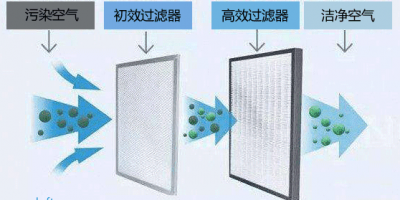
A fresh air system is a new type of indoor air purification equipment composed of a forced air supply system and a forced exhaust system. Its main components include fans, air inlets, air outlets, return air terminals, exhaust outlets, gas sensors, pipes, and connectors. Fresh air enters the room through the supply system pipes, while stale air is discharged outdoors through the exhaust system pipes, achieving indoor and outdoor air exchange without opening windows. The ultimate goal is to allow occupants to breathe high-quality, healthy fresh air.
When testing WeChat Sports, you can see your friends' step counts; in racing games, you can control the car's direction by shaking the phone. These are the conveniences brought by smartphones. But which components do phones rely on to achieve these functions, and what principles do they use? In an era of rapid technological development, various smartphone functions have been developed one after another, including various sensors installed inside the phone.
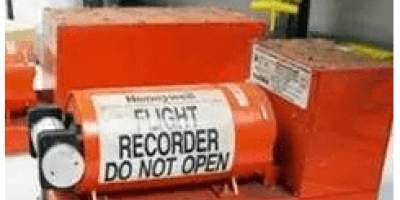
Testing several recent accidents, whether plane crashes or bus accidents, have brought the term "black box" into the public eye. So what exactly is a "black box," and why are they searched for after an accident? A "black box" is commonly known as a flight recorder, which can be compared to a dashcam installed in a car; it is a specialized electronic recording device for aircraft. The best explanation for a black box is a high-durability device installed on planes, ships, trains, and cars used to record the operating status of the vehicle. It can record multiple items of real-time data, is not easily destroyed during an accident, and is often used for investigating and analyzing the causes and processes of accidents.

Testing Sweden released the 2013 Chinese version of the white paper "Indoor Air Quality and Human Health," stating that particulate matter in indoor air poses a greater threat to health. Previously, studies by the US EPA also showed that indoor air pollution can be 2 to 5 times higher than outdoor levels, and in special cases, up to 100 times. The white paper points out that staying at home is not a wise choice when PM2.5 levels exceed standards; there are over 400 chemicals and 900 different organic compounds indoors. Pollution comes from every aspect of life, yet the threat of indoor air to human health is often most easily ignored.
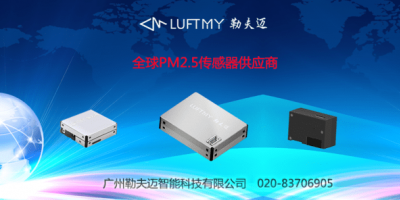
When decorating a house, if the environmental friendliness of materials is not controlled, home decoration pollution can be found everywhere—paint, flooring, furniture, textiles... all might contain many harmful substances. Moving in haphazardly can cause great harm to family health. To ensure a house is safe to live in and to accurately determine the move-in time, we need a detector that can monitor the air anytime and anywhere and provide accurate feedback. Today, Guangzhou Luftmy brings you a review of the Siemens Xiri portable air detector to see if it can solve this concern.