

Technical Support:
158-7527-1139

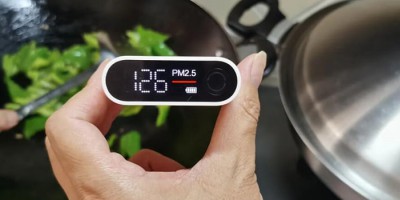
In daily life, kitchen air quality is getting more attention, especially in homes with PM2.5 sensors. As the cooking center, the kitchen is an inevitable source of indoor particles. However, many do not know that kitchen PM2.5 can be more hazardous than secondhand smoke.

In residential environments, the air quality of newly renovated houses is receiving more attention. Many families install dust sensors and find abnormally high concentrations. This article explores the sources of dust in new renovations and the associated health risks for residents.

In modern society, with rising environmental health awareness, airborne dust and its monitoring have become important. Dust is a mixture of tiny solid particles that may be organic (e.g., pollen, bacteria) or inorganic (e.g., metals, soil, minerals). Health impacts depend primarily on particle size. For example, PM2.5 and PM10 can penetrate deep into the lungs, affecting the respiratory system.
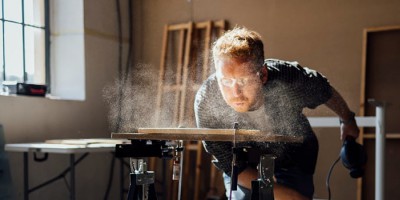
In modern life, air quality is a major factor affecting family health. With technological growth, home air quality monitors have become a choice for many to track and improve indoor conditions. Is it appropriate to use these at home, and are they truly useful? This article explores the application and importance of air quality monitors in the home environment.

In our daily lives, furniture is a major part of the home environment. However, a major concern is the potential formaldehyde content in furniture—a common harmful chemical that can have serious health effects upon long-term exposure. Therefore, learning how to detect formaldehyde in furniture to ensure home safety is an important topic. How can we know if furniture contains formaldehyde?

In our daily lives, maintaining good indoor air quality is vital for health. As monitoring technology becomes common, more families use PM2.5 sensors to track tiny particles. However, many notice that sensors often report high PM2.5 levels at night. This phenomenon has sparked curiosity: why does indoor PM2.5 rise at night?
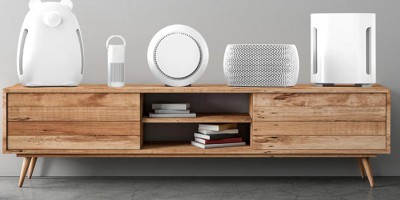
In our daily lives, keeping indoor air clean and healthy is very important. With technological progress, many homes and offices are now equipped with dust sensors to monitor air quality. When the sensor indicates high dust levels, we usually use air purifiers. However, a common question arises: should the purifier be placed on a table or on the floor? The answer depends on several key factors, including the design of the purifier, the indoor environment, and air flow patterns.

When we discuss indoor air quality, focus is usually on intuitive pollution sources like dust, smoke, or chemical pollutants. However, an important component—Carbon Dioxide (CO2)—is often ignored. This colorless, odorless gas is an inevitable product of every breath and a byproduct of many household devices and combustion processes. In open outdoor environments, CO2 is naturally diluted, but in confined indoor spaces, the situation is quite different.

In our daily lives, the importance of indoor air quality is self-evident. Particularly for two colorless and odorless gases—Carbon Monoxide (CO) and Carbon Dioxide (CO2)—they can pose health threats unnoticed. Therefore, understanding the safety standards for CO and CO2, and how to monitor them, is crucial for protecting our living environment.

In the process of maintaining indoor air quality, dust is a factor that cannot be ignored. While dust sensors and monitors are effective tools for identifying excessive dust, how can we judge if indoor dust exceeds the limit without these devices? This article explores some simple yet effective methods to help you identify signs of excessive dust in your daily life.

In daily life, maintaining indoor air quality is an important health issue. With technological advances, using dust sensors to monitor dust levels in a room has become an effective method. However, when the sensor shows that dust levels exceed the limit, what should we do? Should we vacuum first or wipe the dust first? This article discusses this issue and provides practical advice.

Formaldehyde pollution in offices is a health threat often overlooked in modern work environments. As a common indoor pollutant, its sources are numerous and hard to detect, but it can have long-term impacts on employee health. Therefore, understanding the primary sources of formaldehyde and effective reduction methods is essential for creating a safe and healthy work environment.
