

Technical Support:
158-7527-1139

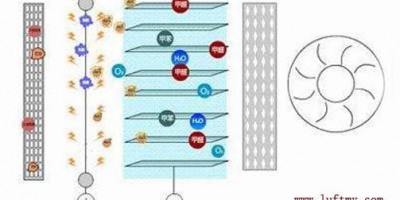
In recent years, many Chinese cities have faced frequent smog. Air pollution affects our health and environment. With rising health awareness, detection and purification products have gained attention for their smart experience, making fresh air more accessible.
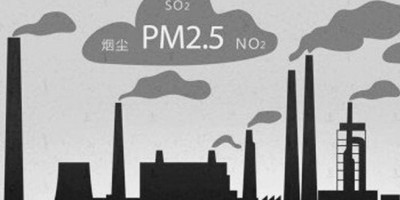
Haze is a buzzword in Northern China, and in recent years, it has increasingly appeared in Southern regions as well. When relative humidity is high in the morning or at night, fog forms; as temperatures rise and humidity drops during the day, it transforms into haze. This phenomenon is caused by both meteorological factors and industrial pollution. LUFTMY editors noted that the government has released PM2.5 indices, requiring air conditioning equipment to meet national standards.
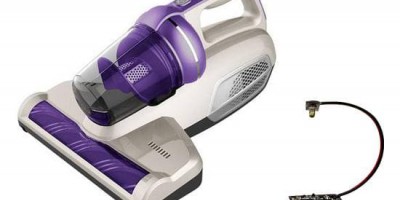
After using a new quilt for one month, the number of mites can reach over 3 million; after three months, it rises by 30% to nearly 4 million. After six months, it rises another 50% to about 6 million. Mattresses are one of the most prone areas for bacteria; even in a clean bedroom, there are nearly 15 million mites. The thought of sleeping with over 20 million insects every night is terrifying.

As Chinese cities enter a high-incidence period for smog, people are feeling the "pain of breathing." Many believe indoor air is better and that closing windows alone provides protection from smog.
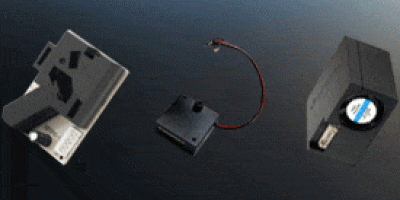
PM2.5 values are an air quality standard. China's limits follow WHO transitional standards: annual average ≥35μg/m³ and 24-hour average ≥75μg/m³. PM2.5 refers to particles ≤2.5 microns, about 1/20th the diameter of a human hair, which can enter the lungs directly.
Particulate concentration sensors, also known as PM2.5 sensors, are used to detect the content of PM2.5 in the air. They are a type of air quality sensor used in purifiers, fresh air systems, and dust detectors.
As public awareness of air quality and health grows, air purifiers have become popular in urban families. The market has grown significantly, resulting in a dizzying array of brands and products.
With industrial growth, PM2.5 levels are rising even in summer. Many families now use portable air quality monitors (smog meters) alongside purifiers. Prices range from hundreds to thousands, using either infrared or laser technology. The accuracy of these results is a common concern for everyone.
Dust sensors are widely used beyond air purification, including in safety equipment like smoke alarms. Also called fire alarms, they are used for early warning in homes, offices, and warehouses.
Smoke alarms help detect and warn of fires early. They are common in public spaces and warehouses. Since fires spread fast and the window for action is short, early detection is vital. Luftmy notes that PM2.5 sensors in alarms can trigger immediate alerts for related personnel to respond.
Infrared dust sensors have simple structures and circuits using an infrared LED. Airflow is generated via resistance heating. When particles pass, the light scatters into a phototransistor to determine concentration. Compared to Shinyei, the Luftmy HPD05 offers PWM and IIC digital interface outputs.
Based on a portable PM2.5 detector, the PM2.5 level was 57.1 inside the lab and 62 outside. The experiment was conducted in a 13-square-meter sealed bedroom testing coil, mat, and liquid mosquito repellents to see if burning them overnight with doors closed causes PM2.5 to exceed 500.
